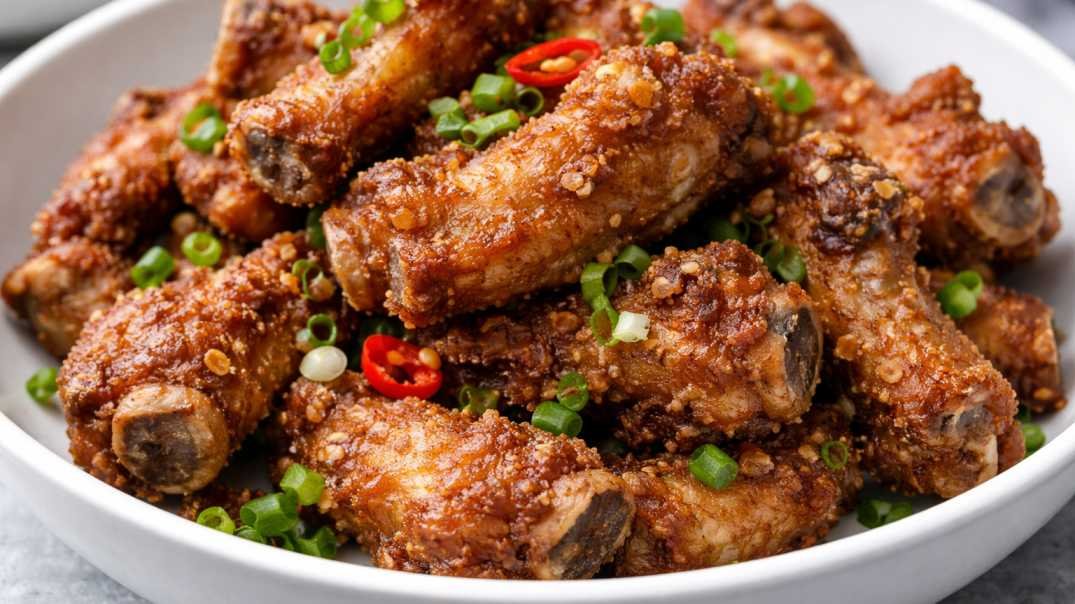
If you love bold, savory flavors and crispy textures, this Chinese fried pork spare ribs recipe is one dish you absolutely need to try. I’ve made this recipe countless times in my kitchen, and every time it comes out golden, crispy on the outside, and incredibly juicy inside.
The combination of garlic, pepper, and simple Chinese pantry ingredients creates a flavor that’s rich but not overwhelming.
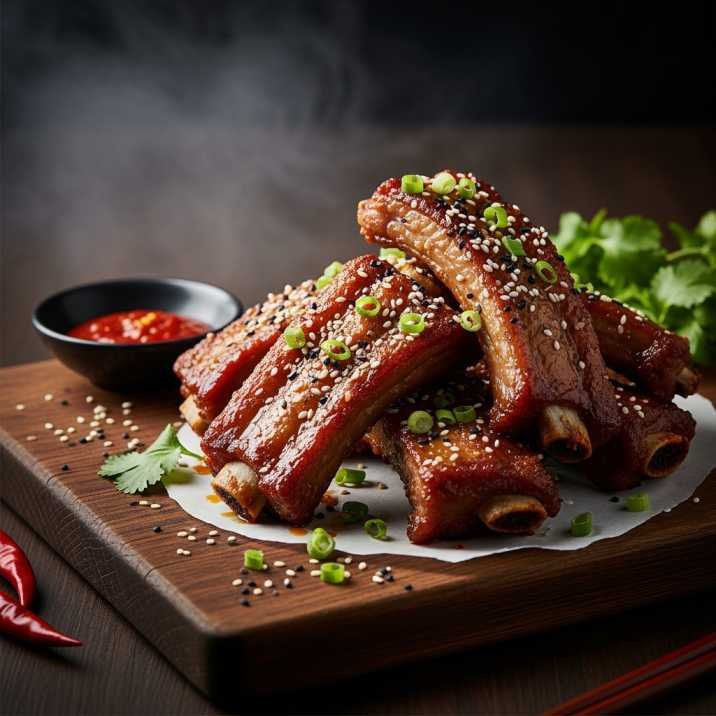
What I love most about fried pork spare ribs is that they’re surprisingly easy to cook at home. With the right marination and frying technique, you can recreate restaurant-style ribs without complicated equipment.
In this guide, I’ll walk you through exactly how I make pan-fried pork spare ribs, when to use the deep-fried pork spare ribs method, and my favorite variation, fried pork spare ribs with garlic and pepper, which is honestly my personal favorite.
👌If you enjoy hearty meal bowls, you might also like our High-Protein Grain Bowl Meal Prep Recipes.
Table of Contents
Why I Love Making Chinese Fried Pork Spare Ribs
The first time I tried this dish wasn’t at a restaurant, it was during a cooking experiment at home.
Years ago, I had leftover pork ribs in the fridge after a weekend barbecue. Instead of grilling them again, I decided to marinate them with soy sauce, garlic, and white pepper, then fry them in a skillet. I didn’t expect much, but the result completely surprised me.
The ribs came out incredibly crispy with a deep, savory flavor. After tweaking the marinade a few times and testing both pan-fried pork spare ribs and deep-fried pork spare ribs, I finally landed on the version I make today.
Now it’s one of my favorite comfort dishes. Whenever friends come over, these ribs disappear faster than anything else on the table.
Choosing the Right Pork Ribs
For the best Chinese fried pork spare ribs recipe, the cut of meat matters.
Look for pork spare ribs cut into small 2–3 inch pieces. This is the traditional way Chinese kitchens prepare ribs for frying because it allows the marinade to penetrate the meat and ensures the ribs cook evenly.
Good ribs should:
- Have a balance of meat and fat.
- Be cut into smaller pieces for frying.
- Look fresh and pink with minimal liquid in the packaging.
If you buy a full rack, simply ask the butcher to chop them into small pieces.
Ingredients
This recipe uses simple pantry ingredients that create bold flavor without overpowering the pork.
For the Marinade
- 2 pounds pork spare ribs (cut into small pieces)
- 2 tablespoons soy sauce
- 1 tablespoon oyster sauce
- 1 teaspoon sugar
- 1 teaspoon salt
- 1 teaspoon white pepper
- 4 cloves garlic, finely minced
- 1 tablespoon Shaoxing cooking wine (optional but traditional)
- 1 tablespoon cornstarch
- 1 egg
For Frying
- 2–3 cups neutral oil (canola, vegetable, or peanut oil)
For the Garlic Pepper Finish
- 3 cloves garlic, minced
- ½ teaspoon freshly cracked black pepper
- Pinch of salt
- Chopped green onions for garnish
This combination creates the classic fried pork spare ribs with garlic and pepper flavor profile that many Chinese restaurants serve.
Step-by-Step Chinese Fried Pork Spare Ribs Recipe
Step 1: Marinate the Pork
Place the ribs in a large bowl and add:
- Soy sauce
- Oyster sauce
- Sugar
- Salt
- White pepper
- Garlic
- Shaoxing wine
- Egg
- Cornstarch
Mix everything thoroughly until the ribs are evenly coated.
Let the ribs marinate at least 30 minutes, but ideally 1–2 hours in the refrigerator.
From my experience, this step makes a huge difference. The longer the ribs sit in the marinade, the deeper the flavor.
Step 2: Prepare the Oil
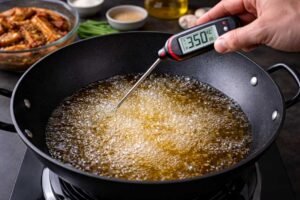
Pour oil into a deep pan or wok.
Heat the oil to about 350°F (175°C). According to standard deep-frying practices used in professional kitchens and recommended by the USDA safe cooking guidelines, maintaining consistent oil temperature ensures proper browning without burning the exterior.
If you don’t have a thermometer, test the oil by dropping a small piece of batter; it should bubble immediately.
Step 3: Fry the Ribs
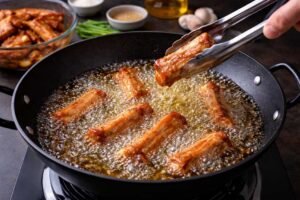
Carefully place the ribs into the hot oil in batches. Avoid overcrowding the pan because it lowers the oil temperature and prevents crisping.
Fry each batch for 4–6 minutes, or until the ribs turn golden brown.
Remove them and place them on a wire rack or paper towel to drain excess oil.
At this stage, you’ll already have beautifully crispy deep-fried pork spare ribs.
Optional Double-Fry Technique (My Favorite Trick)
Many Chinese chefs use a double-frying technique to achieve extra crispiness.
After the first fry:
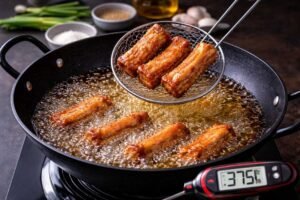
- Let the ribs rest for 3–4 minutes.
- Increase oil temperature slightly to 375°F (190°C).
- Fry the ribs again for 1–2 minutes.
This quick second fry removes excess moisture and creates that irresistible crunchy crust.
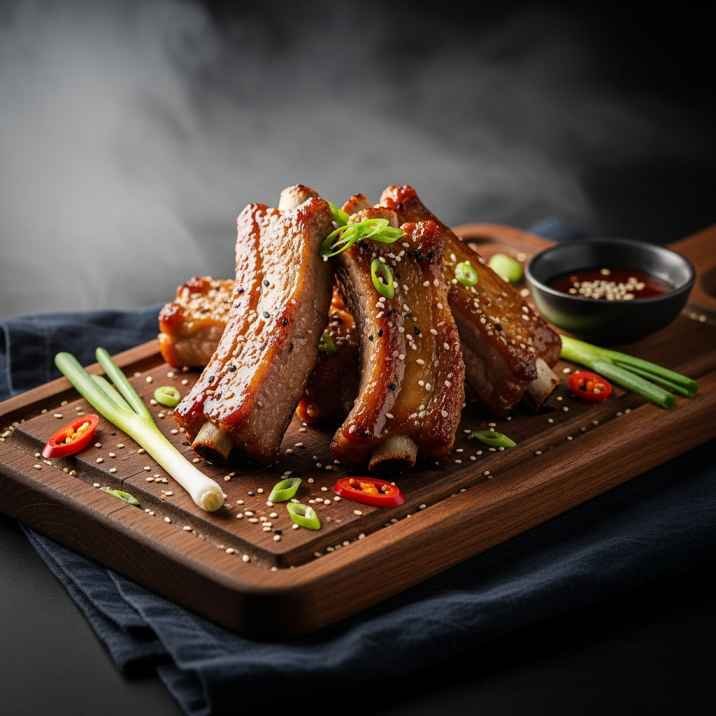

Chinese Fried Pork Spare Ribs
Ingredients
Equipment
Method
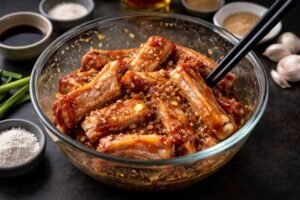
- Place the pork spare ribs in a large bowl. Add soy sauce, oyster sauce, sugar, salt, white pepper, minced garlic, Shaoxing cooking wine, egg, and cornstarch. Mix well until the ribs are evenly coated. Cover and refrigerate for at least 30 minutes, preferably 1 hour for a deeper flavor.

- Pour frying oil into a deep wok, saucepan, or fryer. Heat the oil to about 350°F (175°C). Use a thermometer for best results.
- Carefully add the marinated ribs to the hot oil in small batches. Fry for about 4–6 minutes or until golden brown and crispy. Remove the ribs and place them on a wire rack or paper towel to drain excess oil.
- Let the ribs rest for 3–4 minutes. Increase oil temperature to 375°F (190°C) and fry the ribs again for 1–2 minutes until extra crispy.
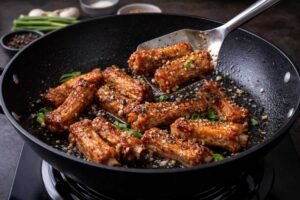
- Heat 1 tablespoon oil in a skillet over medium heat. Add minced garlic and sauté for about 30 seconds until fragrant. Add the fried ribs, sprinkle black pepper and a pinch of salt, then toss everything together for about 1 minute. Garnish with chopped green onions and serve hot.
Notes
• Fry in small batches to maintain oil temperature.
• Cornstarch helps create the crispy coating.
• Double frying creates extra crunchy ribs similar to restaurant versions.
• Always ensure pork reaches a safe internal temperature of 145°F (63°C) as recommended by the USDA before serving. Recipe Tips Use ribs cut into small pieces for authentic Chinese-style frying.
Maintain oil temperature between 350–375°F for crispy results.
Fresh garlic and freshly cracked pepper enhance the flavor dramatically.
How to Make Fried Pork Spare Ribs with Garlic and Pepper
This final step takes the dish from good to amazing.
Heat 1 tablespoon oil in a skillet over medium heat.
Add minced garlic and sauté for about 30 seconds until fragrant.
Add the fried ribs and toss them with:
- Black pepper
- A pinch of salt
Stir everything together for about a minute so the garlic coats the ribs.
Now you have perfectly seasoned fried pork spare ribs with garlic and pepper.
Pan-Fried Pork Spare Ribs (Alternative Method)
If you prefer using less oil, you can make pan-fried pork spare ribs instead.
Here’s how I do it:
- Heat 3–4 tablespoons of oil in a heavy skillet.
- Add the marinated ribs in a single layer.
- Cook on medium heat for about 7–10 minutes, turning occasionally.
The ribs cook more slowly with this method, but they still develop a beautiful crust.
While pan-frying won’t create the same ultra-crispy texture as deep-fried pork spare ribs, it still delivers fantastic flavor.
Tips From My Kitchen Experience
After making this recipe dozens of times, these small tips make the biggest difference.
Dry the Ribs Slightly Before Frying
If the marinade looks too wet, lightly dust the ribs with extra cornstarch. This improves crispiness.
Fry in Small Batches
Crowded pans reduce oil temperature and create soggy ribs.
Use Fresh Garlic
Fresh garlic is essential for the flavor of fried pork spare ribs with garlic and pepper.
Rest the Ribs Before the Second Fry
This step helps the crust form properly.
Common Mistakes (And How I Fixed Them)
Mistake 1: Oil Not Hot Enough
The first time I tried making this recipe, my oil temperature was too low. The ribs absorbed oil and became greasy.
Now I always heat the oil to around 350°F before frying.
Mistake 2: Skipping the Cornstarch
Without cornstarch, the ribs don’t develop the crispy coating that makes this dish special.
Mistake 3: Overcrowding the Pan
When I tried frying everything at once, the ribs steamed instead of crisping.
Cooking in batches solved the problem immediately.
What to Serve with Fried Pork Spare Ribs
These ribs pair perfectly with simple side dishes.
My favorite combinations include:
- Steamed jasmine rice
- Garlic fried rice
- Stir-fried bok choy
- Pickled cucumbers
- Chili oil dipping sauce
The mild sides balance the bold flavors of the ribs.
👌These ribs pair wonderfully with fresh bowls like the Vanilla Berry Smoothie Bowl or a hearty BBQ Chicken Sweet Potato Bowl.
How to Store and Reheat
If you have leftovers (which rarely happens in my house), store them properly.
Refrigeration:
Place ribs in an airtight container and store for up to 3 days.
This aligns with general USDA food safety guidelines for cooked meat storage.
Reheating Tip:
Reheat in an oven or air fryer at 375°F for about 8 minutes to restore crispiness.
Avoid microwaving if possible, because it softens the crust.
Nutrition (Estimated per Serving)
- Calories: 420 kcal
- Protein: 28 g
- Fat: 30 g
- Carbohydrates: 6 g
- Sugar: 2 g
- Sodium: 720 mg
Nutrition values are estimates and may vary depending on the ingredients used.
Final Thoughts
This Chinese fried pork spare ribs recipe has become one of my go-to comfort foods. It’s simple enough for a weeknight dinner but impressive enough to serve when guests come over.
What I love most is the balance of textures, the crispy coating from frying and the juicy, flavorful pork inside. Whether you choose pan-fried pork spare ribs for a lighter option or go all-in with deep-fried pork spare ribs, the result is always incredibly satisfying.
And when you finish them with garlic and pepper, the dish transforms into something that tastes just like your favorite Chinese restaurant, but better, because you made it yourself.
If you’re cooking these ribs for the first time, take your time with the marinade and don’t rush the frying process. Once you get the technique down, this recipe becomes one you’ll want to make again and again.
Sources & References
- USDA – Safe cooking temperature guidelines
- FDA – Safe food handling practices
- The Wok: Recipes and Techniques – J. Kenji López-Alt
Vicky is the founder and recipe creator of FoodViebs, a food blog dedicated to sharing simple, delicious, and home-style recipes. With a strong passion for cooking and experimenting in the kitchen, Vicky creates easy-to-follow recipes using everyday ingredients that anyone can cook with confidence.
Every recipe on FoodViebs is personally tested and written with clear, step-by-step instructions to help home cooks achieve perfect results. Vicky believes that homemade food is healthier, tastier, and brings families closer together.
Through FoodViebs, Vicky aims to inspire people to enjoy cooking, explore new flavors, and prepare restaurant-style dishes at home with ease.