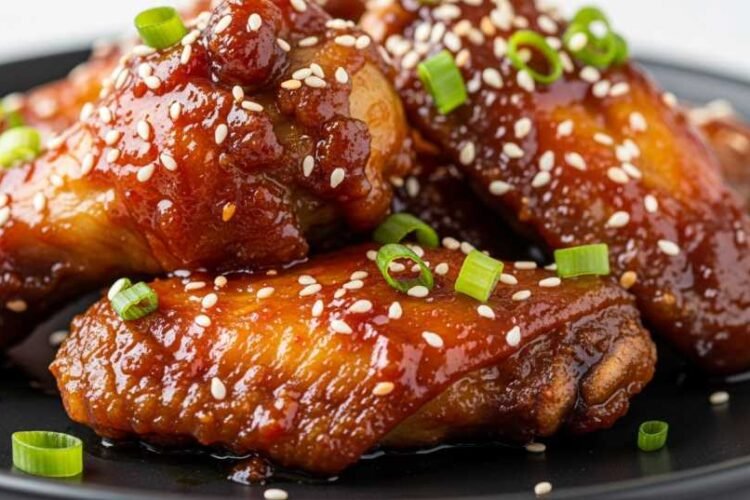
There’s something incredibly satisfying about biting into perfectly glazed, sticky chicken wings, the kind that coat your fingers, make you pause mid-bite, and immediately reach for another.
This Korean Sticky Wings Japanese Recipe is one I’ve refined over time, blending bold Korean flavors with subtle Japanese cooking techniques for a truly unforgettable dish.
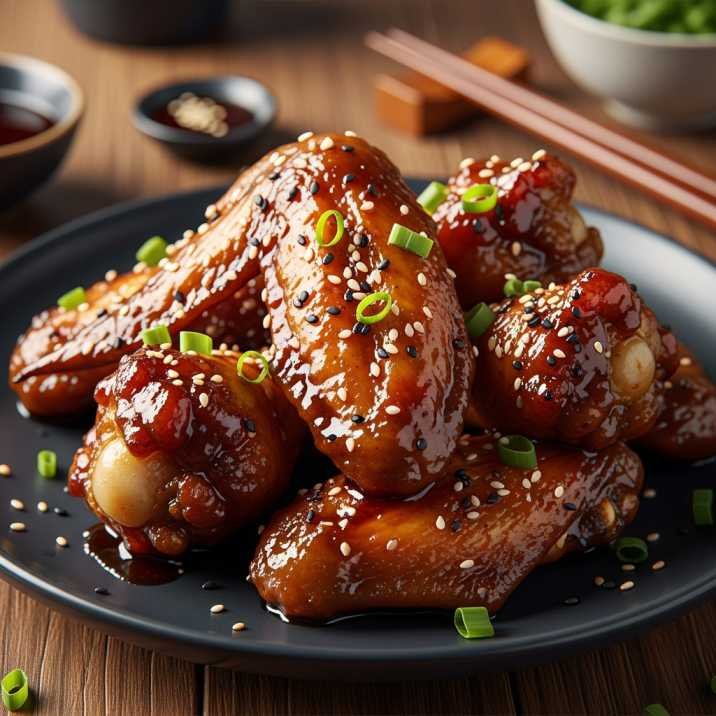
I first created this recipe after experimenting with sauces inspired by a Korean fried chicken spot I visited during a trip to Los Angeles.
I didn’t have access to all the exact ingredients back home, so I started incorporating Japanese pantry staples like soy sauce, mirin, and rice vinegar.
After several test batches (and a few burnt sauces along the way), this fusion version became my signature.
Now, it’s one of the most requested dishes on my table.
If you’re looking for the Best Korean Sticky Wings Japanese Recipe, you’re in the right place.
Why This Korean Sticky Wings Japanese Recipe Works
This recipe isn’t just about tossing wings in sauce; it’s about layering flavors properly.
- Korean influence brings heat, garlic, and bold sweetness.
- Japanese technique balances it with umami, mild acidity, and shine.
- Baking instead of deep frying keeps it accessible and cleaner at home.
The result? Crispy wings coated in a glossy, sticky glaze that clings beautifully without becoming overly thick or burnt.
Ingredients You’ll Need
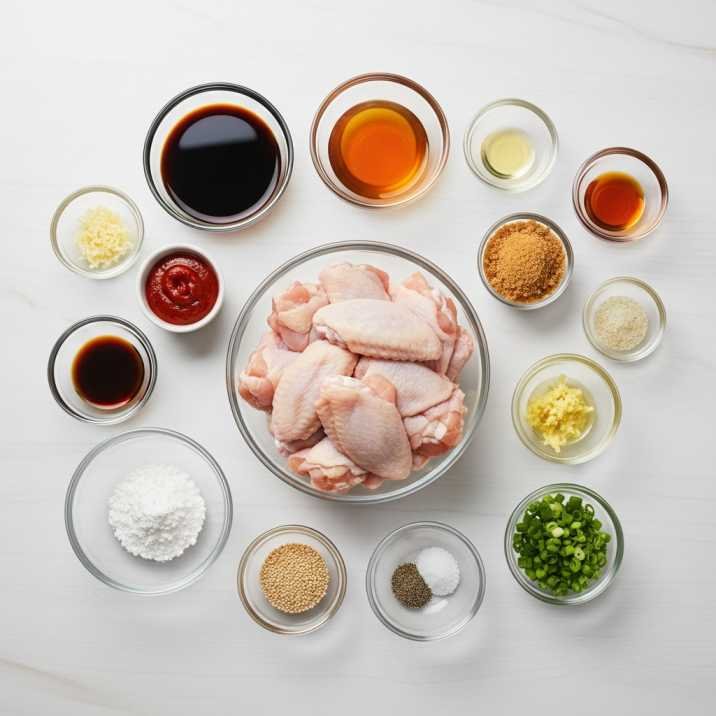
For the Chicken Wings
- 2 lbs chicken wings (split into flats and drumettes)
- 1 tbsp baking powder (aluminum-free)
- 1 tsp salt
- ½ tsp black pepper
For the Sticky Sauce
- 3 tbsp soy sauce
- 2 tbsp gochujang (Korean chili paste)
- 2 tbsp honey
- 1 tbsp brown sugar
- 1 tbsp mirin (Japanese sweet rice wine)
- 1 tbsp rice vinegar
- 3 cloves garlic (minced)
- 1 tsp grated ginger
- 1 tsp sesame oil
Optional Garnish
- Toasted sesame seeds
- Green onions (finely sliced)
Korean Sticky Wings Japanese Recipe Easy Method
Step 1: Prep the Wings
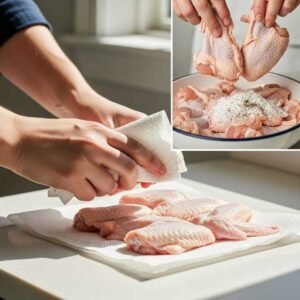
I always start by patting the wings completely dry with paper towels. This is crucial. Moisture is the enemy of crispiness.
Then, toss the wings with baking powder, salt, and pepper. The baking powder helps break down the skin’s proteins, which creates that crispy texture in the oven.
Tip from my kitchen: Don’t skip the drying step. I once rushed this and ended up with rubbery wings. Lesson learned.
Step 2: Bake Until Crispy
- Preheat oven to 425°F (220°C)
- Place wings on a wire rack over a baking sheet.
- Bake for 45–50 minutes, flipping halfway through
According to standard food safety guidelines, chicken should reach an internal temperature of 165°F (74°C) for safe consumption. You can check the safe internal temperature for cooked chicken for more details.
The wings should look golden, slightly blistered, and crispy.
Step 3: Make the Sticky Sauce
While the wings bake, prepare your sauce.
In a saucepan over medium heat, combine:
- Soy sauce
- Gochujang
- Honey
- Brown sugar
- Mirin
- Rice vinegar
- Garlic and ginger
Simmer for 5–7 minutes until slightly thickened. Stir continuously to prevent burning.
Mistake I made early on: I once cranked up the heat to speed things up. The sugar burned, and the sauce turned bitter. Keep it medium heat, patience pays off.
Finish with sesame oil for aroma.
Step 4: Toss and Glaze
Once the wings are done:
- Transfer them to a large bowl.
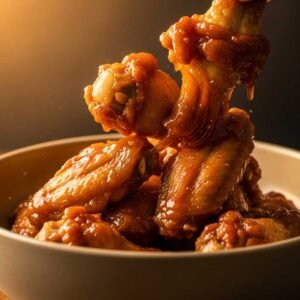
- Pour the hot sauce over.
- Toss until evenly coated.
You can return them to the oven for 5 minutes if you want a slightly caramelized finish.
What Makes This the Best Korean Sticky Wings Japanese Recipe?
After testing multiple versions, I found a few key differences that elevate this recipe:
1. Balanced Sweetness
The combination of honey and brown sugar gives depth, not just sweetness.
2. Controlled Heat
Gochujang adds warmth and complexity without overwhelming spice.
3. Japanese Umami Boost
Mirin and soy sauce round out the flavor, making it richer and more refined.
4. Oven-Baked Perfection
No deep frying needed, yet you still get crispy results.
Flavor Profile Breakdown
If you’re wondering what to expect:
- Sweet: Honey + mirin
- Savory: Soy sauce
- Spicy: Gochujang
- Tangy: Rice vinegar
- Nutty finish: Sesame oil
This layered flavor is what makes Korean sticky wings so addictive, and this Japanese-inspired version is even more unique.
Common Mistakes (And How I Fixed Them)
Wings Not Crispy
Cause: Too much moisture
Fix: Pat dry thoroughly and use a rack
Sauce Too Thick or Burnt
Cause: High heat
Fix: Simmer gently and stir constantly
Sauce Not Sticking
Cause: Wings are too oily
Fix: Let wings rest for 2–3 minutes before tossing
Overpowering Saltiness
Cause: Too much soy sauce
Fix: Balance with honey or a splash of water
Serving Suggestions
I love serving these wings with simple sides that don’t compete with the bold flavors:
- Steamed white rice
- Light cucumber salad
- Pickled vegetables
- Cold noodles
These sticky wings pair perfectly with simple sides like rice or salads. If you’re in the mood for tropical flavors, try this Hawaiian chicken recipe for a sweet and savory twist.
For drinks, a chilled soda or iced tea works beautifully to balance the heat and sweetness.
Storage and Reheating Tips
Storage
- Refrigerate leftovers in an airtight container.
- Best consumed within 3 days
Always handle raw chicken carefully and maintain kitchen hygiene. Following proper chicken handling and food safety tips can help prevent contamination and ensure safe cooking.
Reheating
- Oven: 375°F (190°C) for 10–12 minutes
- Avoid microwaving if possible, as it softens the skin.
Can You Make This Recipe Ahead?
Yes, and I often do.
- Bake the wings in advance.
- Store separately from the sauce.
- Reheat and toss in fresh sauce before serving.
This keeps everything crisp and fresh.
Variations I’ve Tried (And Loved)
1. Extra Spicy Version
Add 1 tsp chili flakes or extra gochujang.
2. Garlic Lover’s Twist
Double the garlic for a deeper punch.
3. Citrus Kick
Add a squeeze of fresh orange juice for brightness
Why This Recipe Feels Personal to Me
This dish reminds me of late-night kitchen experiments, trying to recreate flavours I experienced while travelling. I didn’t follow a strict traditional recipe; I built this from instinct, taste tests, and small adjustments.
I still remember the moment I got it right. The glaze coated the wings perfectly, the flavor hit all the right notes, and I knew this wasn’t just another recipe; it was my version.
Now, every time I make this Korean sticky wings Japanese recipe, it brings back that same excitement.
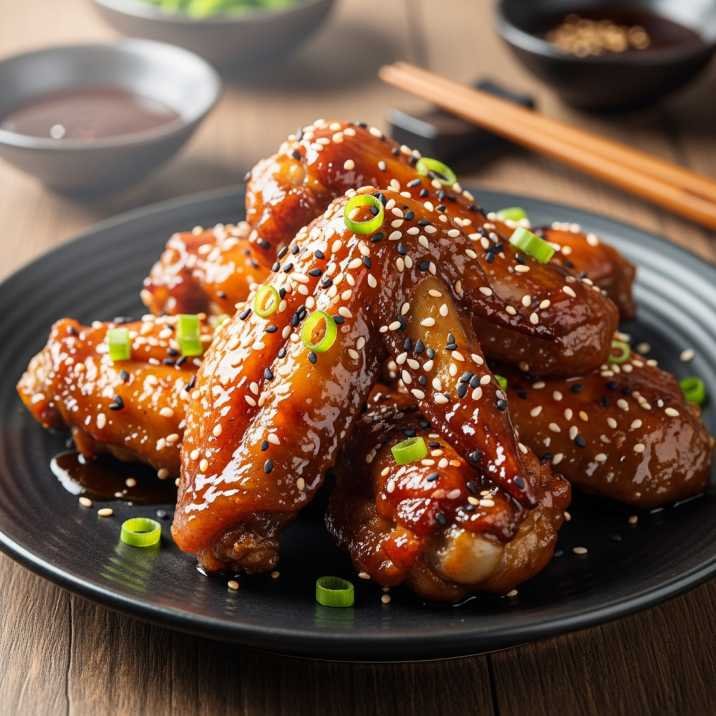

Korean Sticky Wings Japanese Recipe
Ingredients
Equipment
Method
- Pat the chicken wings completely dry with paper towels. Toss with baking powder, salt, and black pepper until evenly coated.

- Preheat oven to 425°F (220°C). Place wings on a wire rack over a baking sheet. Bake for 45–50 minutes, flipping halfway, until crispy and golden.

- In a saucepan over medium heat, combine soy sauce, gochujang, honey, brown sugar, mirin, rice vinegar, garlic, and ginger. Simmer for 5–7 minutes until slightly thickened. Stir continuously. Finish with sesame oil.

- Transfer hot wings to a bowl. Pour sauce over and toss until fully coated.
- Return wings to oven for 5 minutes for extra caramelization.

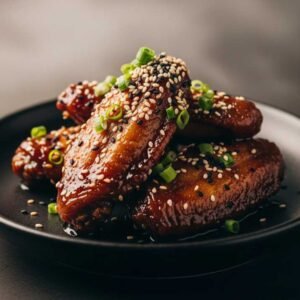
- Top with sesame seeds and chopped green onions before serving.
Notes
- Always dry wings properly for crispiness
- Do not overheat the sauce it can burn due to sugar
- Use a wire rack for even airflow and crisp texture
- Internal chicken temperature must reach 165°F (74°C) for safe consumption
Final Thoughts
If you’ve been searching for the Best Korean Sticky Wings Japanese Recipe, this one delivers on flavor, texture, and simplicity. It’s approachable for home cooks yet impressive enough for guests.
What makes it special isn’t just the ingredients, it’s the balance, the technique, and the little lessons learned along the way.
Try it once, and I guarantee it’ll become a regular in your kitchen just like it did in mine.
If you enjoyed this recipe, don’t forget to check out more easy dinner recipes, such as the Bihari Kabab Recipe (Shan Masala) on Food Vibes.
Vicky is the founder and recipe creator of FoodViebs, a food blog dedicated to sharing simple, delicious, and home-style recipes. With a strong passion for cooking and experimenting in the kitchen, Vicky creates easy-to-follow recipes using everyday ingredients that anyone can cook with confidence.
Every recipe on FoodViebs is personally tested and written with clear, step-by-step instructions to help home cooks achieve perfect results. Vicky believes that homemade food is healthier, tastier, and brings families closer together.
Through FoodViebs, Vicky aims to inspire people to enjoy cooking, explore new flavors, and prepare restaurant-style dishes at home with ease.