Introduction
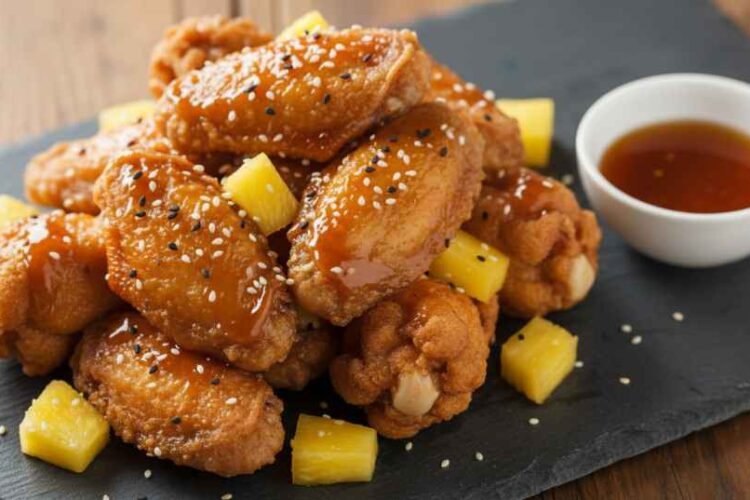
That glossy, golden coating on Wingstop’s Hawaiian wings hits differently. It’s sticky without feeling heavy, sweet but not cloying, and carries a soft tropical note that lingers after each bite.
When I first worked on this wingstop hawaiian sauce recipe, I wasn’t chasing just sweetness; I wanted that exact balance of pineapple brightness and savory depth that makes the sauce feel complete.
Making it at home solves a few things instantly. You get fresher flavor, control over sweetness, and a sauce that costs a fraction of takeout. More importantly, you can tweak it slightly tangier, a touch less sugar, or even a hint of heat.
This recipe comes together in about 15 minutes using pantry staples. No speciality ingredients, no complicated steps. Wingstop classifies this as a mild flavor, which means it’s built for everyone, kids, spice-averse eaters, and anyone who wants a smooth, sweet-and-tangy glaze that actually sticks to the wings.
Prep Time: 5 minutes
Cook Time: 10 minutes
Total Time: 15 minutes
Servings: 8 servings (about 1 cup total)
Cuisine: American (Copycat Restaurant Style)
Category: Sauce / Condiment
Table of Contents
What Is Wingstop Hawaiian Sauce?
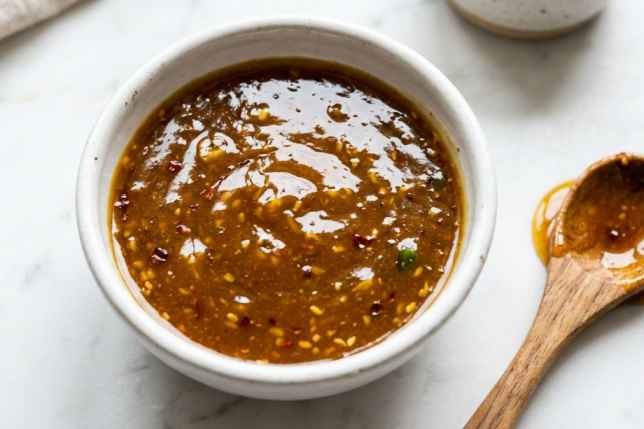
Wingstop Hawaiian sauce is a pineapple-forward glaze with a smooth, sticky finish. It leans sweet first, then follows with a light tang that keeps it from feeling syrupy. The texture is glossy, almost lacquered, so it clings to wings instead of sliding off.
On the menu, it sits firmly in the mild category. That makes it one of the safest picks if you’re avoiding heat but still want bold flavor. It’s especially popular with kids and anyone who prefers sweet sauces over spicy ones.
Compared to something like Mango Habanero, which brings heat, or Lemon Pepper, which is dry and citrusy, this sauce is all about that rich, tropical coating. It’s closer to a pineapple wing sauce than anything else, but with a deeper, more balanced flavor.
Why Does This Wingstop Hawaiian Sauce Recipe Work So Well?
The flavor structure here is intentional. Pineapple juice delivers both sweetness and natural acidity, which means it doesn’t taste flat. Brown sugar deepens that sweetness with a slight molasses note, while soy sauce quietly builds an umami backbone, the part most people miss when recreating this sauce.
The vinegar matters more than it seems. It cuts through the sugar and sharpens the flavor so every bite feels clean instead of heavy.
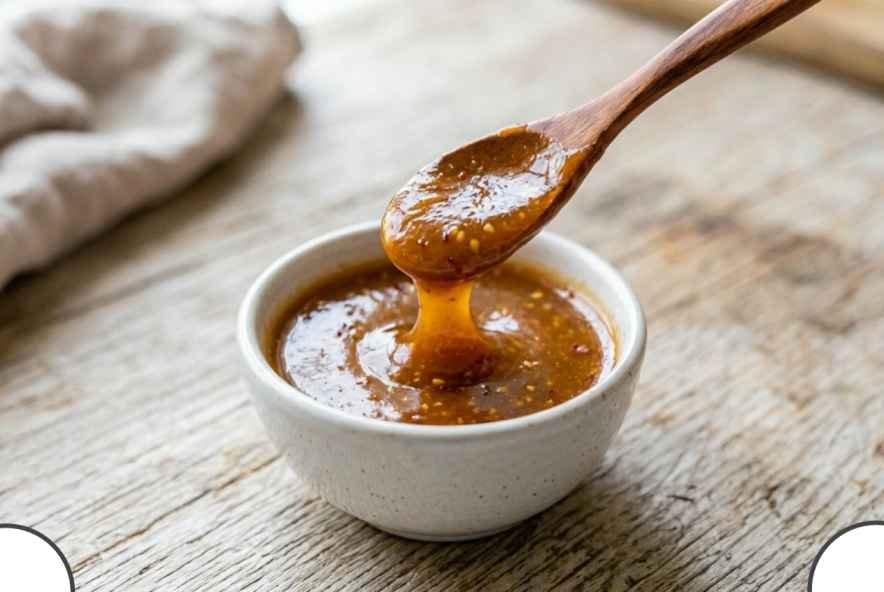
Texture is where this recipe really locks in. Cornstarch creates that glossy, restaurant-style finish, giving the sauce a smooth coating instead of a heavy, sticky thickness. Instead of a heavy sauce, you get a light glaze that wraps around each piece.
Ingredients (What Do You Need for This Wingstop Hawaiian Sauce Recipe?)
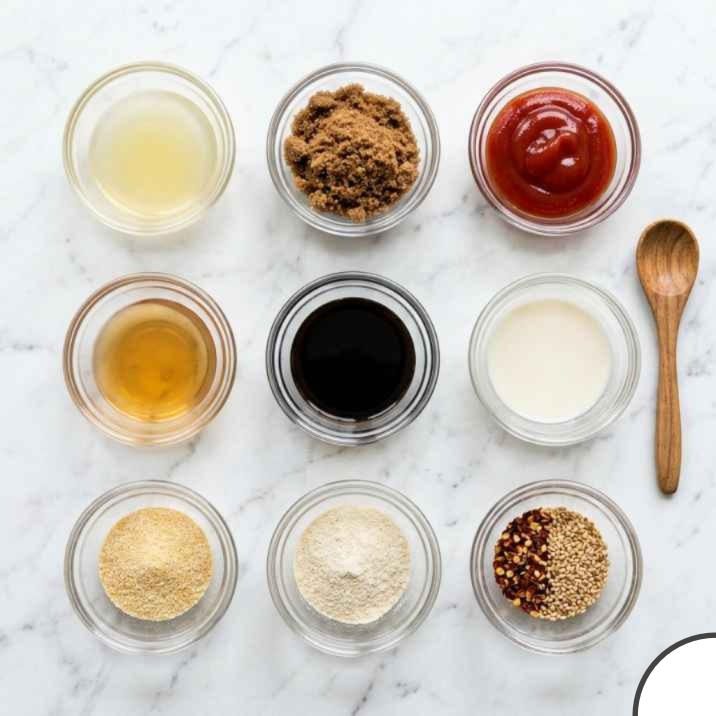
- 1 cup 100% pure pineapple juice (the tropical base, avoid concentrate for best flavor)
- ¼ cup brown sugar (adds depth; dark brown gives a richer finish)
- 2 tbsp ketchup (builds body and subtle acidity)
- 1 tbsp apple cider vinegar (apple cider vinegar helps balance the sweetness and keeps the sauce from tasting too heavy)
- 1 tbsp soy sauce (adds umami depth; use tamari for gluten-free)
- ½ tsp garlic powder (adds a mild savory layer)
- ½ tsp onion powder (rounds out the flavor often overlooked but important)
- 1 tbsp cornstarch + 2 tbsp cold water (creates that glossy, restaurant-style glaze)
- Optional: pinch of red pepper flakes (for light heat)
Substitutions:
Use tamari or coconut aminos instead of soy sauce. Swap cornstarch with arrowroot powder if needed (use the same ratio).

Wingstop Hawaiian Sauce Recipe – Easy Copycat That Tastes Better at Home
Ingredients
Equipment
Method
- Add pineapple juice, brown sugar, ketchup, vinegar, soy sauce, garlic powder, and onion powder to a saucepan. Whisk until smooth before turning on the heat.
- Cook over medium heat for 6–8 minutes, stirring every 60–90 seconds. This helps dissolve sugar and deepen flavor.
- Taste the sauce. Add more vinegar (for tang) or sugar (for sweetness) as needed before thickening.
- In a small bowl, mix cornstarch with cold water until smooth and lump-free.
- Slowly pour slurry into the simmering sauce while whisking. Cook until it thickens and coats the back of a spoon.
- Remove from heat and let rest 2–3 minutes. Toss with wings or use as desired.
Notes
Pro Tips
- Stir every 60–90 seconds while simmering to prevent sugar from sticking and burning.
- Always mix cornstarch with cold water to avoid lumps.
- Taste the sauce before thickening and adjust sweetness or tang at that stage.
- Stop cooking when the sauce just coats the back of a spoon—it thickens more as it cools.
- Toss the sauce with hot wings immediately for the best sticky coating.
How to Use
- Toss with fried, baked, or air fryer wings
- Brush over chicken tenders or thighs
- Glaze shrimp or salmon
- Use as a dipping sauce for fries, nuggets, or egg rolls
- Drizzle over rice bowls or sliders
What Equipment Do You Need?
A medium saucepan, a whisk, measuring cups and spoons, a small bowl for the slurry, and an airtight jar for storage. Nothing fancy, just tools that let you control heat and texture precisely.
How to Make Wingstop Hawaiian Sauce — Step-by-Step
1. Combine the Base Ingredients
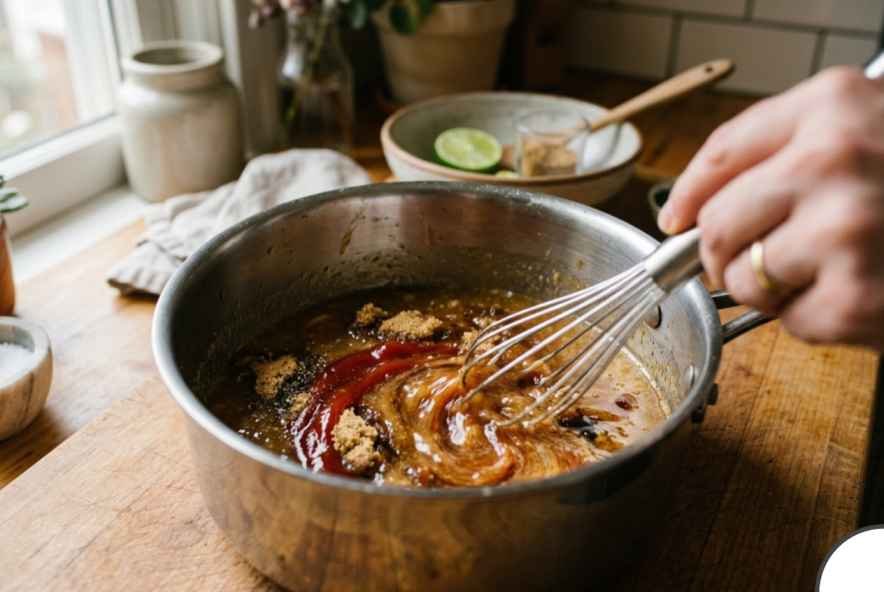
Add pineapple juice, brown sugar, ketchup, apple cider vinegar, soy sauce, and spices to a saucepan. Whisk everything together before turning on the heat so the sugar starts dissolving evenly.
Pro Tip: Whisk for a full 30 seconds to fully break up the brown sugar. This prevents graininess later.
2. Simmer Gently
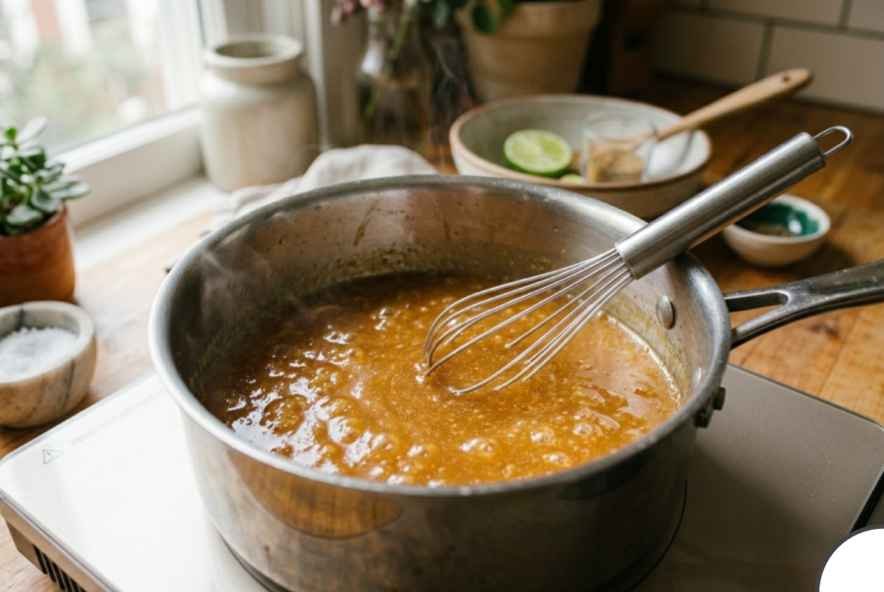
Place the pan over medium heat and let it simmer for 6–8 minutes. Stir every 60–90 seconds so the sugar doesn’t stick or burn.
This step develops flavor and fully dissolves the sugar into the liquid.
Pro Tip: You’re looking for small, steady bubbles, not a rolling boil.
3. Taste and Adjust
Take a spoon and taste the sauce before thickening. Add vinegar a teaspoon at a time if it’s too sweet, or a bit more sugar if it’s too sharp.
This is your only chance to fine-tune the flavor before it sets.
Pro Tip: Stop adjusting once the flavor feels slightly stronger than you want; it softens after thickening.
4. Make the Slurry
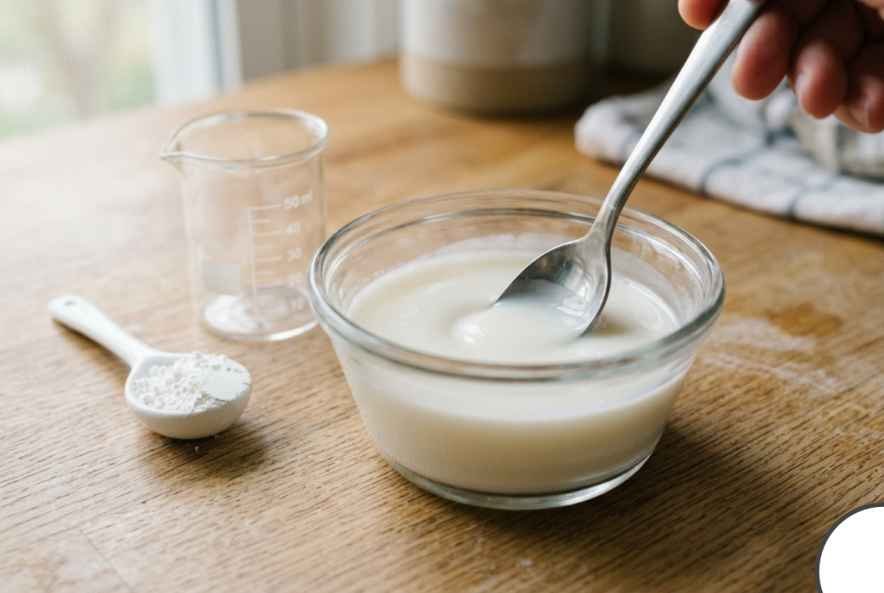
In a small bowl, mix cornstarch with cold water until completely smooth. No lumps.
Cold water is critical, as it prevents clumping when added to heat.
Pro Tip: Stir until it looks like thin milk; any lumps now will stay in the sauce.
5. Thicken the Sauce
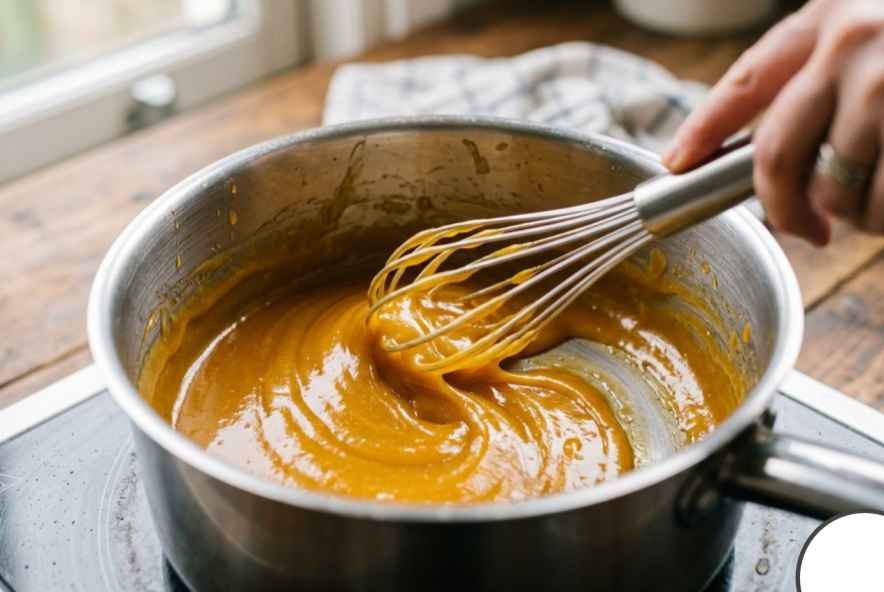
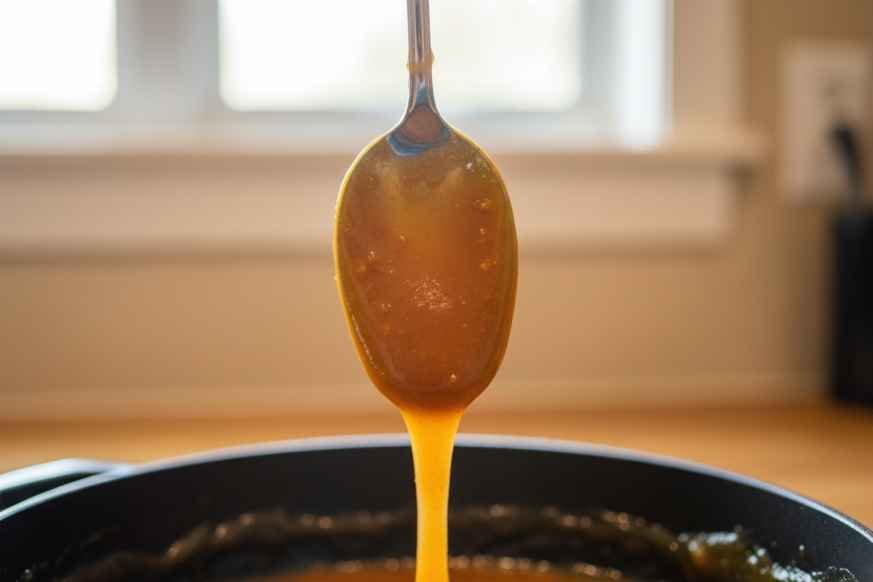
Slowly pour the slurry into the simmering sauce while whisking continuously. Within 30–60 seconds, it will thicken into a glossy glaze.
Stop once it coats the back of a spoon.
Pro Tip: Add the slurry gradually; you may not need all of it.
6. Cool and Use
Remove from heat and let it sit for 2–3 minutes. It will thicken further as it cools.
Toss with hot wings immediately for the best coating.
Pro Tip: The sauce should cling, not drip; if it runs off, it needs another 30 seconds of heat
What’s the Secret to Restaurant-Quality Hawaiian Sauce?
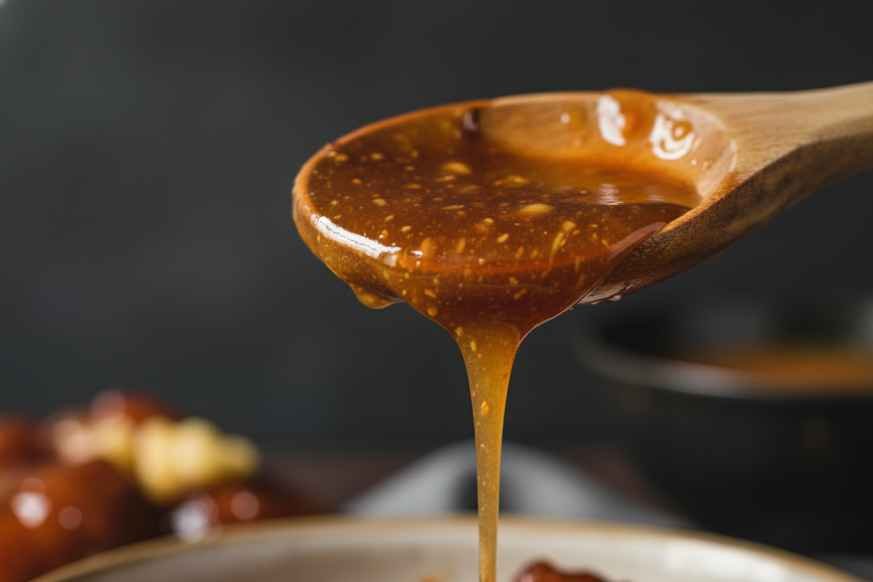
The difference is precision. The sweet-to-tangy ratio needs to be slightly skewed toward sweet, but not by much. Too much sugar and it feels heavy; too little and it loses its identity.
Pure pineapple juice makes a huge impact. Concentrate tastes sharper and less fresh, while real juice gives a softer, natural sweetness.
The slurry technique matters just as much. It creates a glossy, light coating instead of a thick, sticky paste.
Finally, timing is everything. Toss the sauce with hot wings and serve immediately. That’s how you get that signature cling.
How Can You Use This Sauce Beyond Wings?
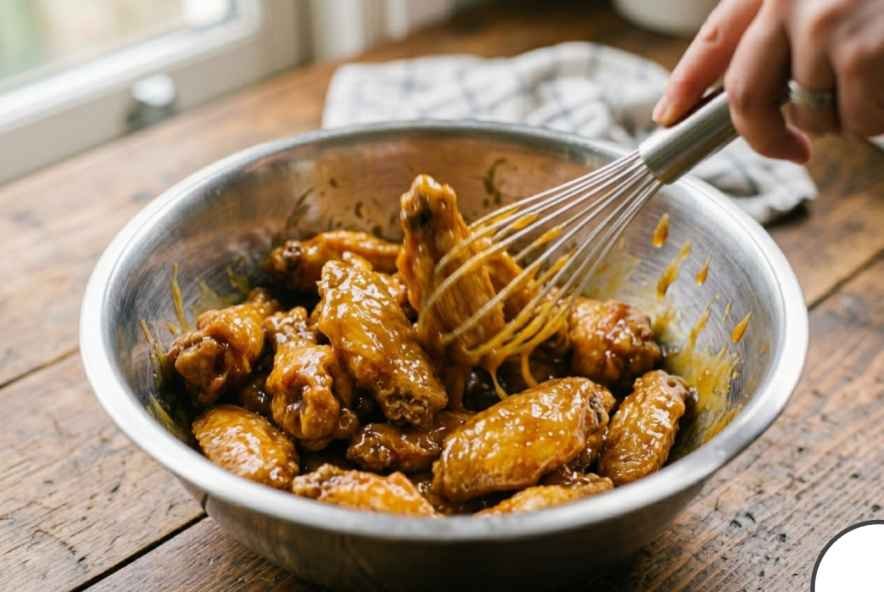
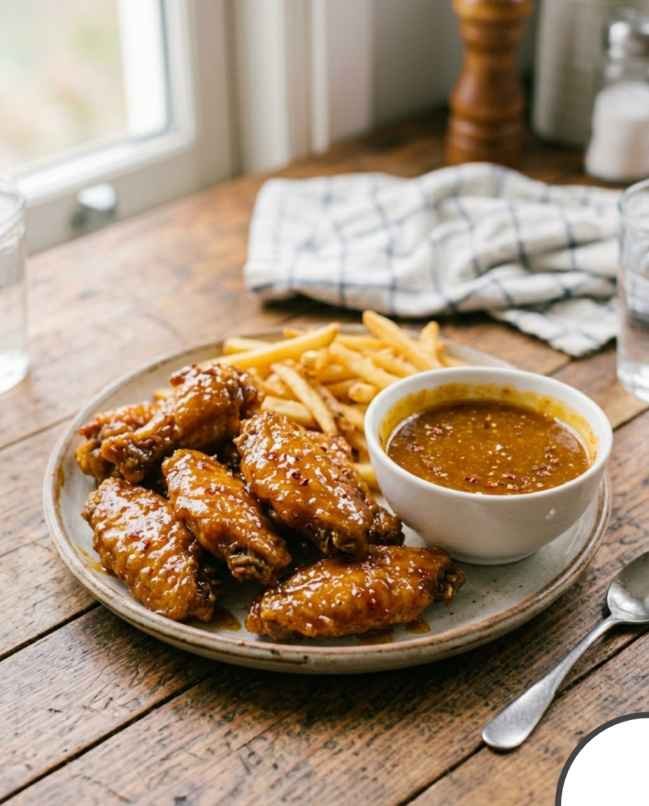
Wings are the obvious choice; fried, baked, or air-fried all work. I use air fryer wings often because the crisp surface grabs the glaze perfectly without extra oil.
It also works beautifully on baked chicken tenders or thighs. The sweetness caramelizes slightly in the oven, giving you a richer finish.
For seafood, brush it over grilled shrimp or salmon in the last minute of cooking. It adds a subtle tropical glaze without overpowering the protein.
You can even use it as a dipping sauce for fries, nuggets, or egg rolls.
If you enjoy creamy dips alongside crispy food, my IHOP sauce recipe is another easy option that pairs really well here.
Or drizzle it over rice bowls, sliders, or pork chops for a quick flavor boost.
It also works surprisingly well as a dip or glaze for snacks like these homemade Alabama hot pockets.
How Do You Make a Spicy Hawaiian Glaze?
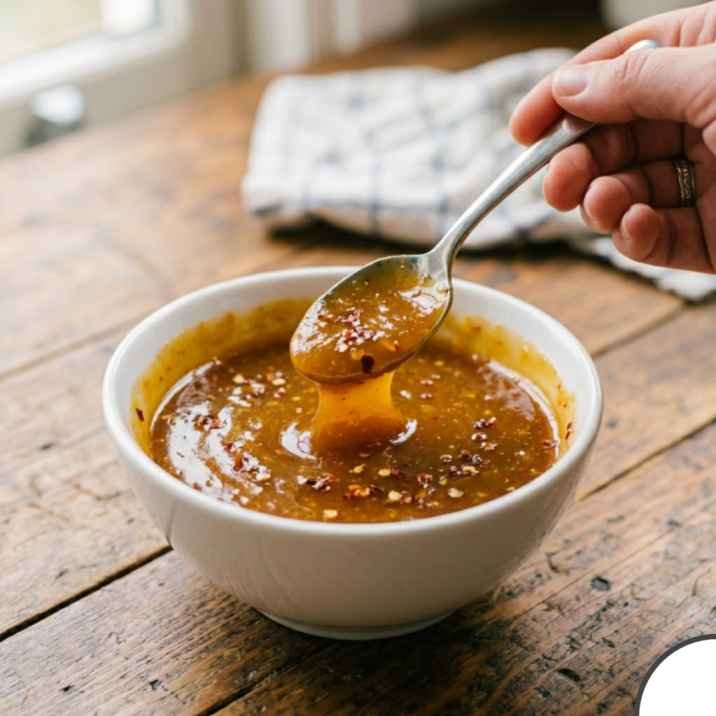
Turn this into a “Spicy Hawaiian Glaze” by adding heat during the simmer stage. Stir in 1–2 teaspoons of sriracha, sambal oelek, or a pinch of red pepper flakes.
Adding it while the sauce cooks helps the heat blend smoothly instead of sitting on top. Start small; you want a gentle kick, not a full shift into spicy territory.
How Can You Make This Sauce Gluten-Free?
Swap soy sauce with tamari or coconut aminos. Both give you that same depth without gluten.
Most ketchup brands are already gluten-free, but it’s worth checking labels if you’re strict about it. The rest of the ingredients are naturally gluten-free.
How Should You Store and Reheat This Sauce?
Store the sauce in an airtight jar in the fridge for up to 7 days. It thickens as it sits, which is normal.
For longer storage, freeze it in an ice cube tray for up to 2 months. This makes portioning easy.
Reheat gently on the stovetop with a splash of pineapple juice to loosen it. Avoid high heat it can break the texture.
What Are Common Mistakes to Avoid?
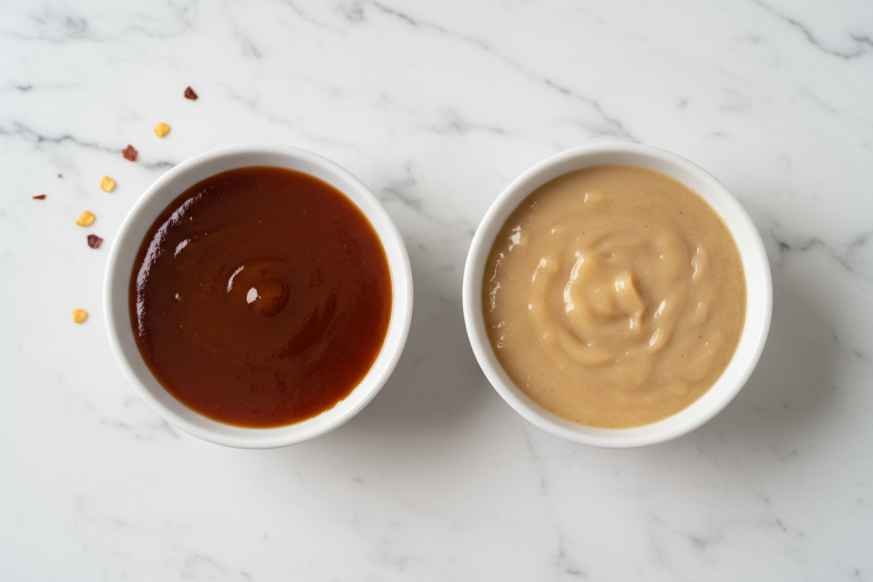
Using pineapple juice from concentrate changes the flavor it becomes sharper and less balanced. Always use pure juice.
Skipping vinegar makes the sauce taste flat. That slight acidity is what keeps it lively.
Adding the slurry all at once often leads to lumps. Pour slowly while whisking. Also, never use warm water for the slurry; it clumps instantly.
Over-thickening is another issue. The sauce should coat, not feel gummy. And don’t rush with high heat, it burns sugar quickly.
Most importantly, taste before thickening. Once it sets, fixing the flavor becomes harder.
Nutrition Information (Per 2 Tbsp)
| Nutrient | Amount |
|---|---|
| Calories | ~65 kcal |
| Carbs | 14g |
| Fat | 0g |
| Protein | 0g |
You can reduce sugar slightly, but expect a lighter body and less shine.
FAQs
What is Wingstop Hawaiian Sauce made of?
Wingstop Hawaiian sauce is made from pineapple juice, sugar, vinegar, soy sauce, and mild seasonings. The combination creates a sweet, tangy glaze with a smooth texture that coats wings evenly without being too thick or heavy.
Is Wingstop Hawaiian Sauce sweet or spicy?
Wingstop Hawaiian sauce is primarily sweet with a mild tang. It contains no noticeable heat, making it one of the mildest options on the menu and ideal for those who prefer non-spicy flavors.
Can I make Wingstop Hawaiian Sauce without cornstarch?
Yes, you can skip cornstarch and simmer the sauce longer to reduce it. However, it won’t have the same glossy, light coating reduction alone creates a thicker, more syrup-like texture.
How long does homemade Hawaiian wing sauce last?
Homemade Hawaiian wing sauce lasts up to 7 days in the refrigerator when stored in an airtight container. For longer storage, you can freeze it for up to 2 months.
Is Wingstop Hawaiian Sauce gluten-free?
The original sauce contains soy sauce, which has gluten. To make it gluten-free, simply replace soy sauce with tamari or coconut aminos.
What can I use instead of pineapple juice?
You can use orange juice or a mix of apple juice and lemon juice, but the flavor will shift. Pineapple juice provides both sweetness and acidity, which is hard to replicate exactly.
How do I get the glossy, sticky texture like Wingstop?
The glossy texture comes from a cornstarch slurry added at the end of cooking. It thickens the sauce lightly while creating a smooth, shiny coating instead of a heavy paste.
Can I freeze this sauce?
Yes, this sauce freezes well for up to 2 months. Freeze in small portions for convenience and reheat gently with a splash of liquid to restore consistency.
Conclusion
This Wingstop Hawaiian sauce recipe delivers exactly what you want: sweet, tangy, glossy, and ready in 15 minutes. The ingredients are simple, but the result feels restaurant-level when done right.
Once you make it, you’ll start adjusting it to your taste, maybe a little sharper, maybe slightly sweeter. Try it on wings first, then branch out. And if you do, drop a comment or rating. I’d love to hear how you used it.
[…] way I do whenever a restaurant pulls something I love, like when I spent weeks perfecting my own Wingstop Hawaiian sauce at home. After many rounds of testing, I finally cracked a homemade charged lemonade recipe that […]
[…] cheese sauce that most home cooks skip. If you enjoy recreating restaurant favorites at home, my copycat Wingstop Hawaiian sauce is another reader favorite that delivers the exact restaurant flavor in under 15 […]