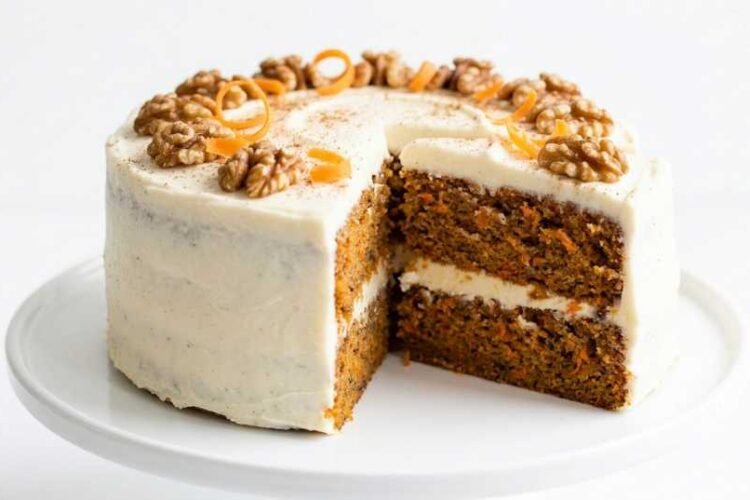
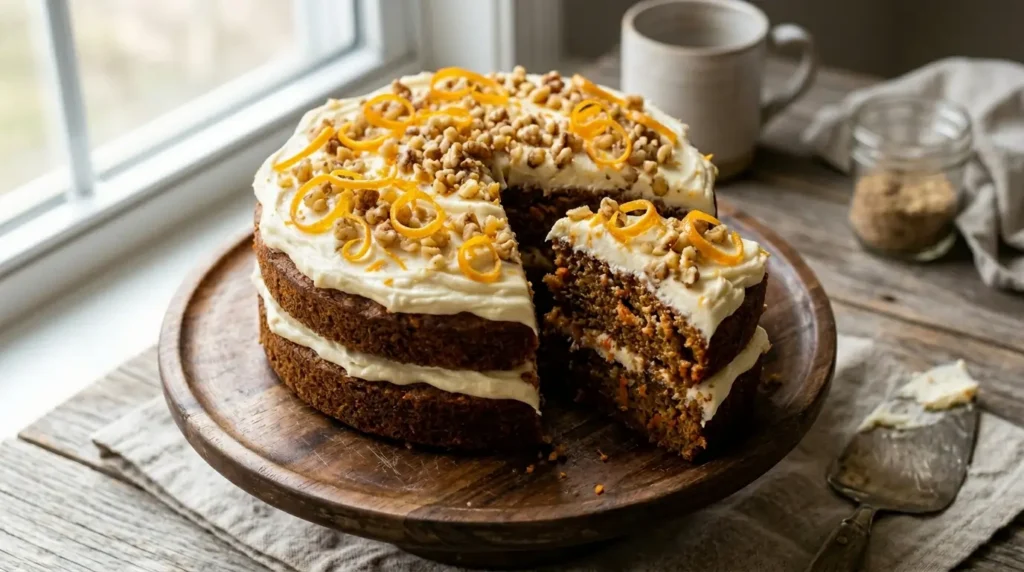
A Cake That Started With a Dare
My grandmother never wrote anything down. Not once. Every recipe she knew lived in her hands in the way she’d tilt the measuring cup, the moment she’d pull a cake from the oven by instinct alone. When she passed, the thing I missed most, embarrassingly, was her carrot cake.
I spent three years chasing it. I tried recipes from cookbooks I respect, from food magazines I’ve subscribed to for a decade, from the kind of earnest home bakers who post on forums at midnight. None of them was right. Too dense. Too sweet. Too oily. One had the texture of wet cardboard, and I’ll leave that baker anonymous out of professional courtesy.
Then a sous chef I worked with early in my career, a quiet, meticulous man named Lloyd, handed me a card with his version on it. “Stop overthinking it,” he said. I didn’t believe him. Then I made it.
The Lloyd Carrot Cake recipe has been in my rotation ever since. It’s become the cake I make for every birthday in my house, every potluck I care about, every time someone tells me they “don’t really like carrot cake.” That last group is my favorite to convert.
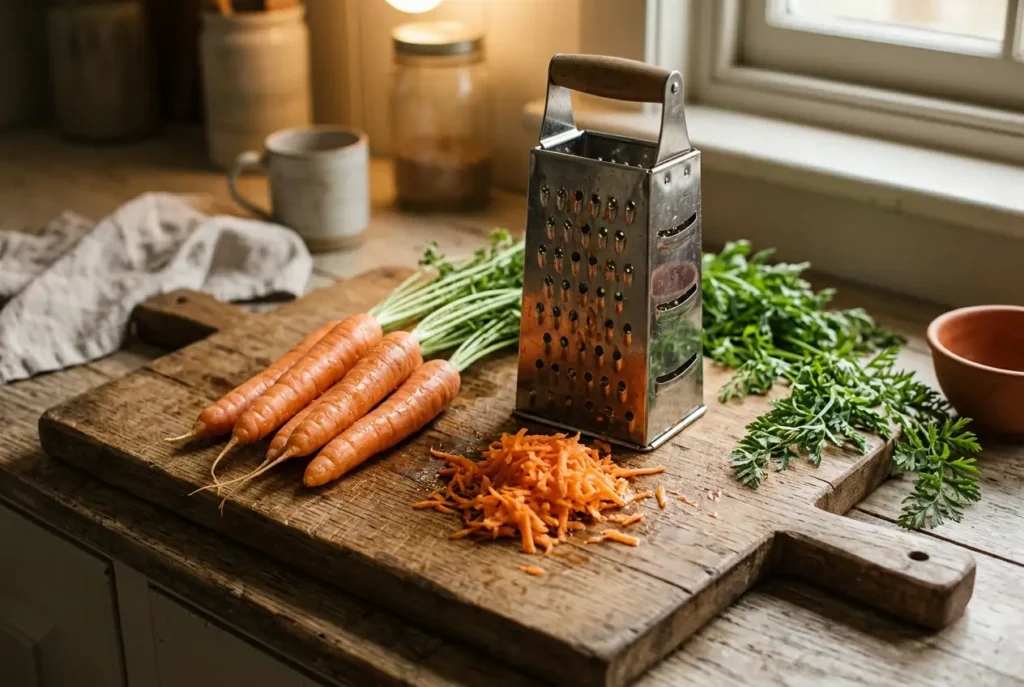
Table of Contents
Why This Lloyd Carrot Cake Recipe Works
Good baking isn’t a mystery; it’s chemistry you can understand. Here’s what makes this carrot cake different from the ones you’ve tried and forgotten.
First: oil instead of butter. I know, I know, butter tastes better in almost everything. But fat chemistry doesn’t lie. Butter is roughly 80% fat and 20% water; that water evaporates during baking and can leave cakes drier over time. Vegetable oil is 100% fat, which means it coats the gluten strands more completely and keeps moisture locked in for days. This is why a slice of this cake on day three is just as tender as it was the day it came out of the oven.
Second: brown sugar over white. Brown sugar contains molasses, which is hygroscopic; it pulls moisture from the air and holds it in the crumb. Combined with oil, you get a cake that stays genuinely moist, not just soft-on-the-surface moist.
Third: freshly grated carrots, not the pre-shredded bag. Pre-shredded carrots are dry. They’ve been sitting in refrigerated air, losing moisture from the moment they were cut. Freshly grated carrots release their natural liquid directly into the batter as it bakes, which is a built-in moisture delivery system. Food science research from King Arthur Baking confirms that ingredient moisture content dramatically affects crumb texture in quick breads and cakes. the principle applies perfectly here.
Fourth: the right spice ratio. Cinnamon does most of the heavy lifting, but a hit of nutmeg and ginger adds depth without turning this into a gingerbread. The spice should support the carrot flavor, not bury it.
Ingredients for the Best Carrot Cake From Scratch
For the cake, you’ll need two cups of all-purpose flour, two teaspoons each of baking soda and baking powder, and one and a half teaspoons of ground cinnamon. Add half a teaspoon of ground nutmeg, a quarter teaspoon of ground ginger, and half a teaspoon of fine sea salt.
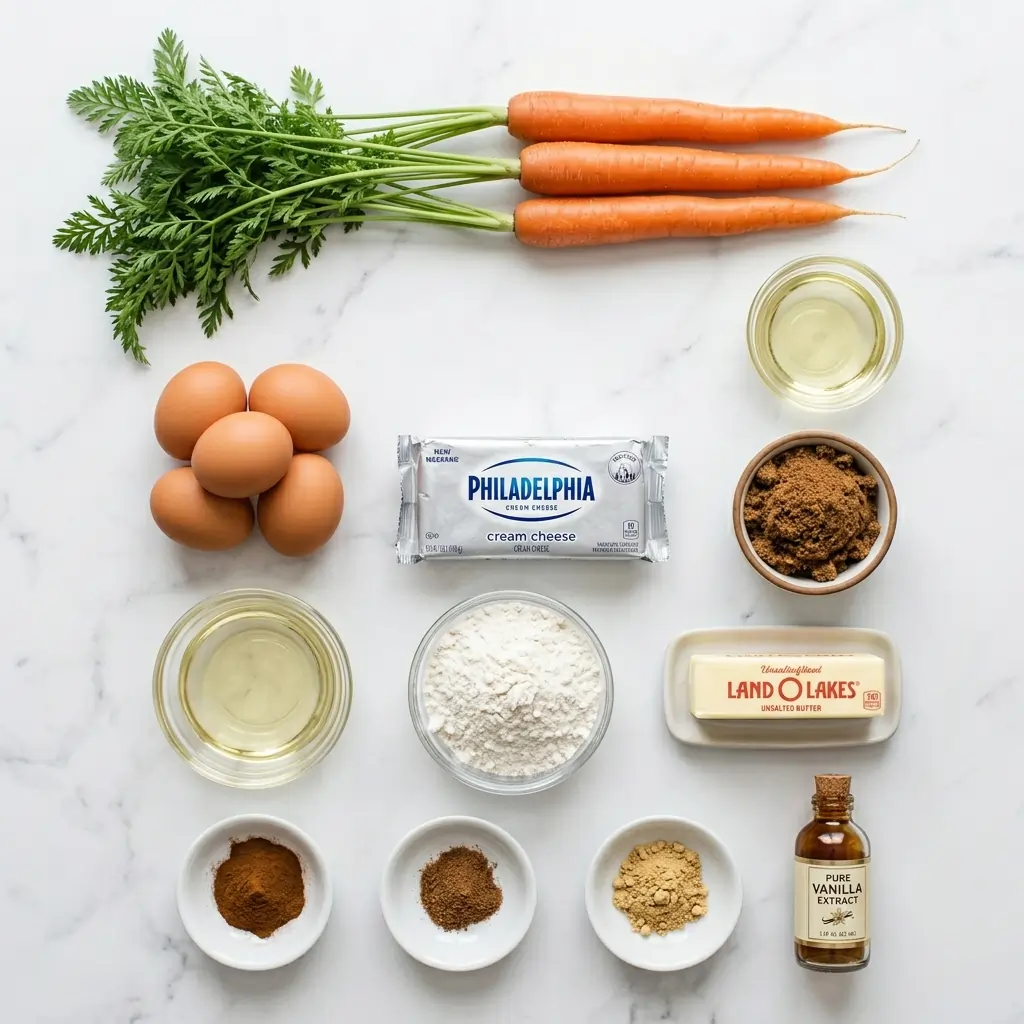
For the wet ingredients: one cup of neutral vegetable oil (I use canola), one cup of packed light brown sugar, half a cup of granulated sugar, and four large eggs at room temperature. Room temperature eggs emulsify more smoothly. Don’t skip that step. You’ll also want two teaspoons of pure vanilla extract.
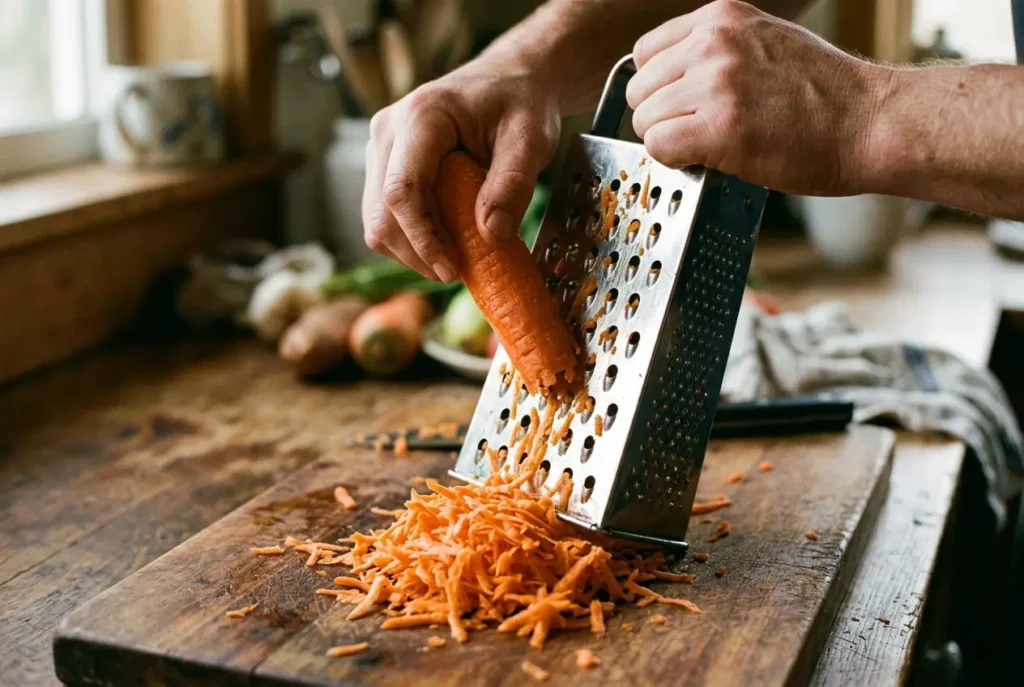
The star: three cups of freshly grated carrots, which is approximately four medium carrots. Grate them yourself on the large holes of a box grater. The difference in texture is not subtle.
Optional but excellent additions: half a cup of chopped walnuts or pecans, and half a cup of crushed pineapple (well-drained). The pineapple sounds strange until you taste it; it adds a fruity brightness that keeps the cake from feeling too heavy. If you enjoy baking with vegetables in unexpected ways, my fudgy sweet potato brownies follow the same philosophy, and they disappear just as fast.
For the cream cheese frosting: sixteen ounces of full-fat block cream cheese (softened), half a cup of unsalted butter (softened), three to three and a half cups of powdered sugar, one teaspoon of vanilla extract, and a pinch of salt. Use full-fat block cream cheese. Whipped cream cheese or reduced-fat versions contain too much water and will give you a runny frosting that slides off the cake. I’ve learned this the hard way, and I’ll tell you more about that in a moment.
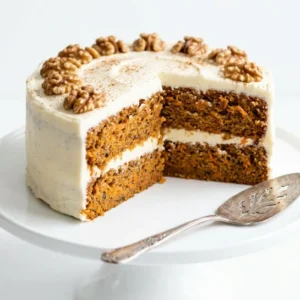
Lloyd Carrot Cake Recipe

Equipment
- Box grater
- Large mixing bowl (x2)
- Rubber spatula
- Hand mixer or stand mixer
- Two 9-inch round cake pans
- Parchment paper
- Wire cooling rack
- Offset spatula
- Rotating cake stand
- Toothpick (for doneness test)
- Measuring cups and spoons
Ingredients
Dry Ingredients
- 2 cups all-purpose flour
- 2 tsp baking soda
- 2 tsp baking powder
- 1½ tsp ground cinnamon
- ½ tsp ground nutmeg
- ¼ tsp ground ginger
- ½ tsp fine sea salt
Wet Ingredients
- 1 cup neutral vegetable oil canola recommended
- 1 cup packed light brown sugar
- ½ cup granulated sugar
- 4 large eggs room temperature
- 2 tsp pure vanilla extract
Mix-ins
- 3 cups freshly grated carrots approx. 4 medium carrots
- ½ cup chopped walnuts or pecans toasted (optional)
- ½ cup crushed pineapple well drained (optional)
Cream Cheese Frosting
- 16 oz full-fat block cream cheese softened
- ½ cup unsalted butter softened
- 3 –3½ cups powdered sugar
- 1 tsp pure vanilla extract
- 1 pinch fine sea salt
Instructions
Step 1: Prep
- Preheat your oven to 350°F. Grease two 9-inch round cake pans and line the bottoms with parchment paper circles.
Step 2: Mix Dry Ingredients
- In a large bowl, whisk together the flour, baking soda, baking powder, cinnamon, nutmeg, ginger, and salt. Set aside.
Step 3: Mix Wet Ingredients
- In a separate larger bowl, whisk the oil, brown sugar, and granulated sugar until glossy and combined, about 90 seconds. Add eggs one at a time, whisking well after each. Stir in the vanilla extract.
Step 4: Combine
- Fold the dry ingredients into the wet ingredients using a rubber spatula until just combined. Do not overmix. Stop as soon as no dry flour streaks remain.
Step 5: Add Mix-ins
- Fold in the freshly grated carrots, toasted nuts, and drained pineapple if using. The batter will look wet. That is correct.
Step 6: Bake
- Divide the batter evenly between the two prepared pans. Bake at 350°F for 28–33 minutes, rotating pans halfway through. Check at 28 minutes; the cake is done when a toothpick inserted in the center comes out clean.
Step 7: Cool
- Cool cakes in pans for 10 minutes, then turn out onto a wire rack. Allow to cool completely before frosting, at least 45–60 minutes.
Step 8: Make the Frosting
- Beat cream cheese and butter together on medium speed for 3 minutes until smooth and fluffy. Add powdered sugar one cup at a time on low speed. Add vanilla and salt, then beat on medium-high for 2 minutes until light and creamy.
Step 9: Frost and Assemble
- Frost the top of the bottom layer generously. Place the second layer on top. Frost the top and sides of the cake. Refrigerate for 30 minutes before slicing for clean cuts.
Notes
- Always grate carrots fresh; pre-shredded bag carrots are too dry and produce a noticeably inferior texture.
- Use full-fat block cream cheese only. Whipped or reduced-fat cream cheese contains excess water and will produce runny frosting.
- Room temperature eggs are essential for proper emulsification. If you forgot, soak eggs in warm water for 10 minutes.
- Toast nuts at 325°F for 8 minutes before folding in for deeper flavor.
- Cake layers can be baked 1–2 days ahead, wrapped tightly in plastic wrap, and stored at room temperature until ready to frost.
- Store finished cake covered in the refrigerator for up to 5 days. Bring slices to room temperature 15–20 minutes before serving.
- This batter makes approximately 24 standard cupcakes. Bake at 350°F for 18–22 minutes.
How to Make the Lloyd Carrot Cake: Step-by-Step
Start by preheating your oven to 350°F and greasing two 9-inch round cake pans. Line the bottoms with parchment circles; trust me, don’t skip the parchment. Carrot cake has a habit of sticking in ways that will ruin your afternoon.
In a large bowl, whisk together your flour, baking soda, baking powder, cinnamon, nutmeg, ginger, and salt. Set it aside. In a separate, larger bowl, whisk the oil, brown sugar, and granulated sugar together until the mixture looks glossy and cohesive, about ninety seconds by hand. Add the eggs one at a time, whisking well after each addition, then stir in the vanilla.
Fold the dry ingredients into the wet ingredients using a rubber spatula. Mix until just combined, stop the moment you stop seeing dry flour streaks. Overmixing develops gluten and turns your super-moist carrot cake into something tough. This is a gentle fold, not a vigorous stir.
Now fold in the grated carrots, nuts, and pineapple if you’re using them. The batter will look quite wet at this point. That’s correct. Divide it evenly between your two prepared pans.
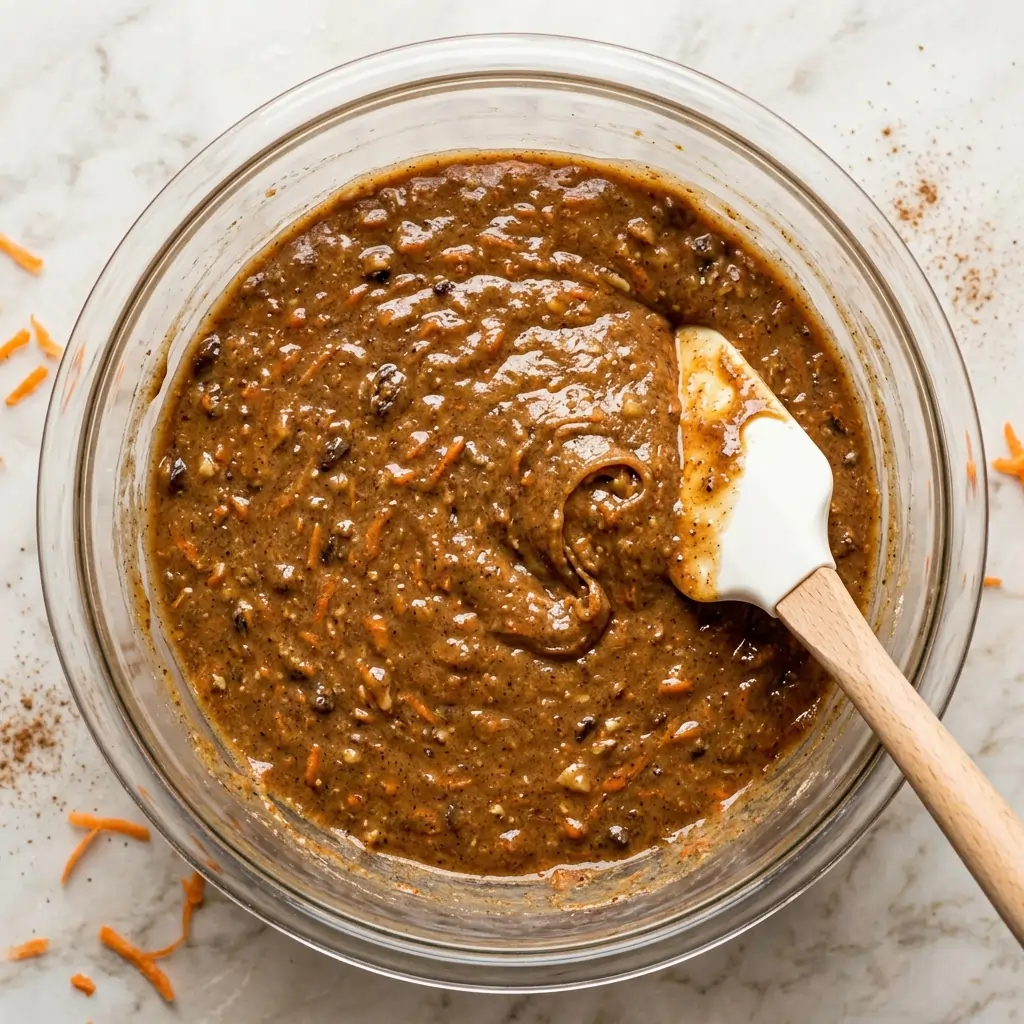
Bake at 350°F for 28–33 minutes, rotating the pans halfway through. The cakes are done when a toothpick inserted into the centre comes out clean, and the edges have just begun to pull away from the sides of the pan. Don’t overbake. Check at 28 minutes.
Let the cakes cool in the pans for ten minutes, then turn them out onto a wire rack to cool completely. Completely.
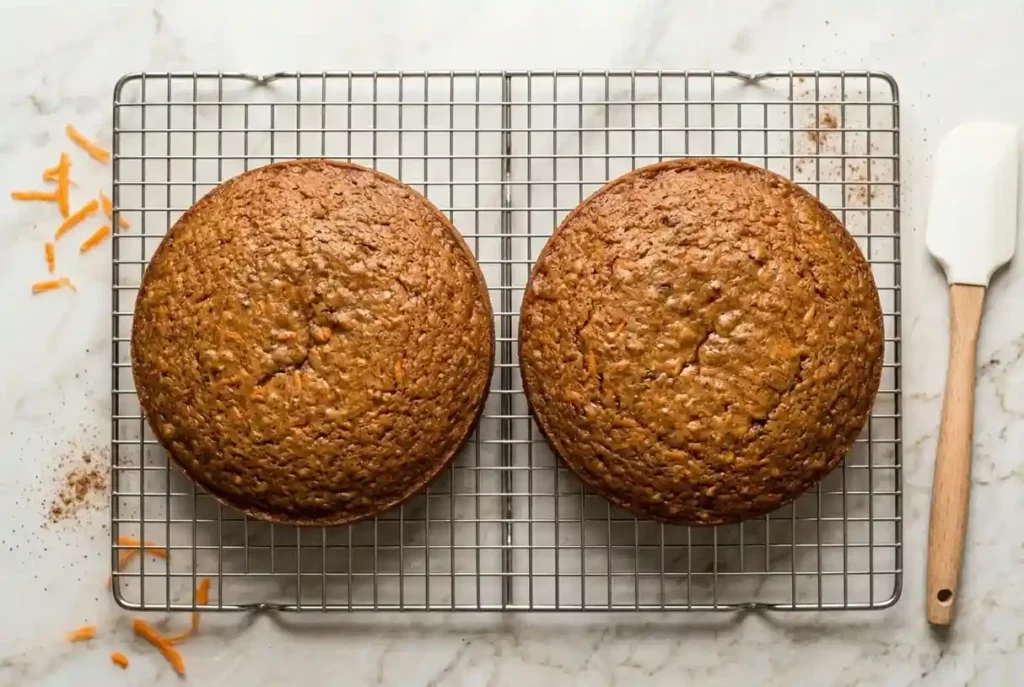
If you try to frost a warm cake, the frosting will melt, and you’ll have a delicious but very sad-looking dessert.
For the frosting: beat the cream cheese and butter together on medium speed until completely smooth and fluffy, about three minutes. Add the powdered sugar one cup at a time, mixing on low after each addition to avoid a sugar cloud situation. Add the vanilla and salt, then beat on medium-high for another two minutes until the frosting is light and creamy.
Frost the bottom layer generously, place the second layer on top, then frost the top and sides.
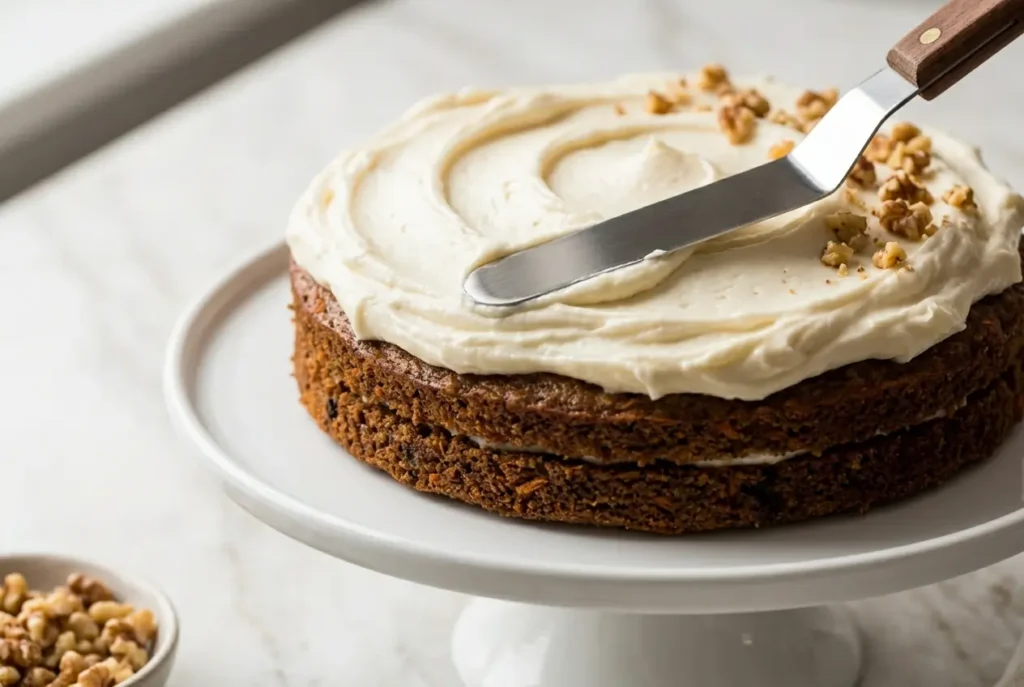
A simple offset spatula and a rotating cake stand make this much easier, but you can absolutely do it without them. A slightly rustic finish looks intentional and charming. That’s my professional opinion, and I’m sticking to it.
Mistakes I Made (So You Don’t Have To)
Mistake 1: Using Pre-Shredded Carrots From the Bag
I did this exactly once, early in my carrot cake trials, because it was faster. The resulting cake was noticeably drier and had a slightly stringy, unpleasant texture throughout. The pre-shredded pieces are too large, too dry, and they don’t integrate into the batter the way freshly grated carrot does. Grate your own. It takes four minutes.
Mistake 2: Using the Wrong Cream Cheese for the Frosting
I once grabbed a tub of whipped cream cheese by accident it was on the same shelf, and I was moving fast. The frosting never set properly. It was delicious, but the consistency of the thick soup, and it slid off the cake, the moment I tried to stack the layers. Always buy full-fat block cream cheese in the rectangular package, and make sure it’s properly softened before you start.
Mistake 3: Skipping the Room-Temperature Eggs
Cold eggs don’t emulsify well with oil. When I’ve rushed and added cold eggs straight from the fridge, the batter looked slightly curdled, and the finished cake had a slightly uneven, dense texture compared to the standard version. If you forget to pull your eggs out early, set them in a bowl of warm (not hot) water for ten minutes. Problem solved.
Mistake 4: Opening the Oven Too Early
I know you want to check on it. I do too. But opening the oven before the 25-minute mark causes the temperature to drop suddenly, which can cause the center of the cake to sink. Set a timer and walk away. Your patience will be rewarded.
Pro Tips for a Bakery-Style Carrot Cake
Toast your nuts before folding them in. Spread the walnuts or pecans on a dry sheet pan and toast them at 325°F for eight minutes. Toasted nuts have a deeper, richer flavor that makes a real difference in the finished cake.
Chill your frosted cake for at least thirty minutes before slicing. This firms up the cream cheese frosting so you get clean, beautiful slices instead of the frosting smearing as you cut.
If your frosting feels too soft to work with, refrigerate it for fifteen minutes. It stiffens up beautifully and becomes much easier to spread and shape.
For a particularly tall, dramatic presentation, this recipe works beautifully as a three-layer cake using three 8-inch pans instead of two 9-inch pans. Reduce the baking time by about five minutes and watch the layers closely.
Lightly squeeze your grated carrots in a clean kitchen towel before adding them to the batter if they seem extremely wet. Some carrots are more water-dense than others, depending on the season. This small step keeps the batter consistent.
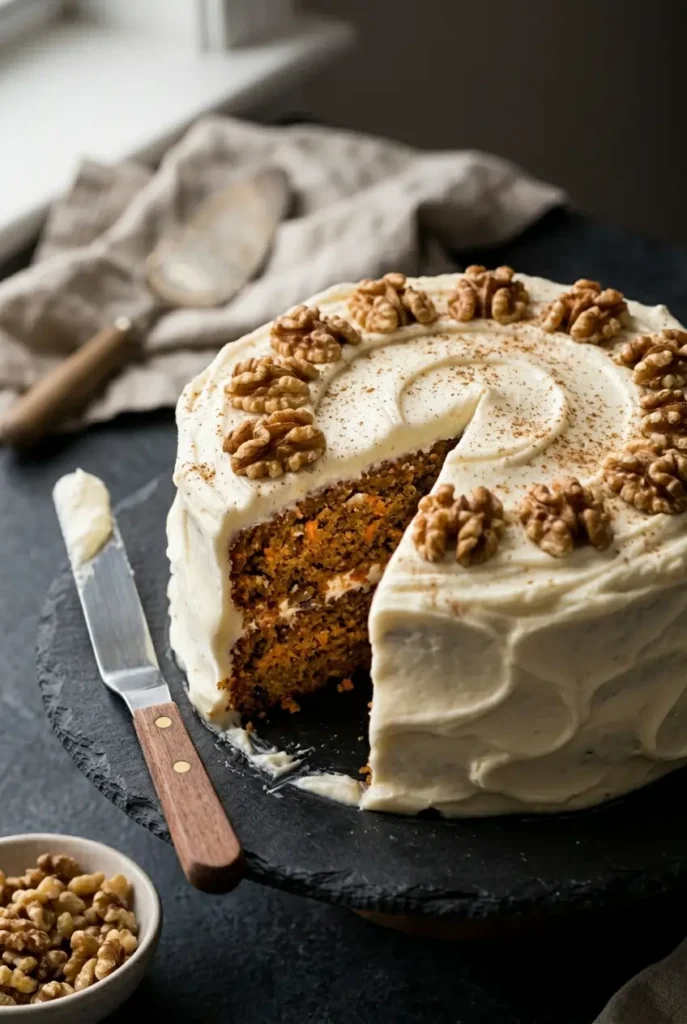
Lloyd Carrot Cake Recipe: Nutrition Information Per Slice
| Nutrient | Per Slice (1 of 12) |
|---|---|
| Calories | ~520 kcal |
| Carbohydrates | ~62g |
| Fat | ~28g |
| Saturated Fat | ~10g |
| Protein | ~6g |
| Sugar | ~44g |
| Fiber | ~1.5g |
| Sodium | ~380mg |
Nutrition estimates are based on 12 equal servings including cream cheese frosting. Actual values may vary depending on specific brands and ingredient measurements. For precise data, use the USDA FoodData Central calculator.
Frequently Asked Questions
What makes a carrot cake moist?
What makes a carrot cake moist is primarily the fat source and the ingredients that retain water. Using oil instead of butter keeps the crumb tender because oil doesn’t contain water that evaporates during baking. Freshly grated carrots also release natural moisture into the batter as the cake bakes, adding to the overall texture. Brown sugar’s molasses content helps retain that moisture over time.
Can I make a homemade carrot cake ahead of time?
You can absolutely make this homemade carrot cake one to two days ahead; it actually improves overnight as the flavors meld. Bake and cool the layers completely, then wrap them tightly in plastic wrap and store at room temperature or refrigerate them unfrosted. Frost the cake the day you plan to serve it, or frost it the night before and keep it refrigerated. Let it sit at room temperature for about thirty minutes before serving.
What’s the best frosting for a carrot cake with cream cheese frosting?
The best frosting for carrot cake with cream cheese frosting is a classic American-style cream cheese buttercream made with full-fat block cream cheese, butter, powdered sugar, and vanilla. The tanginess of the cream cheese cuts through the sweetness and complements the warm spices in the cake perfectly. Avoid whipped or reduced-fat cream cheese; the extra water content makes the frosting too soft to hold its shape.
How do I store carrot cake from scratch?
Store this carrot cake from scratch in the refrigerator, covered, for up to five days. The cream cheese frosting requires refrigeration, but the cake itself benefits from being slightly cool anyway; the texture firms up nicely, and the flavors deepen. Always let slices come to room temperature for fifteen to twenty minutes before eating for the best flavor and texture.
Can I make this an old fashioned carrot cake without the pineapple?
Yes, if you prefer an old-fashioned carrot cake without the pineapple, simply leave it out. The cake will still be moist and delicious thanks to the oil and fresh carrots. You might want to add an extra tablespoon of brown sugar to compensate for the subtle sweetness the pineapple provides, but it’s entirely optional.
Can this recipe be made as cupcakes?
This batter makes excellent cupcakes. Fill a lined muffin tin about two-thirds full and bake at 350°F for 18 to 22 minutes. The recipe yields approximately 24 standard cupcakes. They’re perfect for a party because they’re already individually portioned, and the cream cheese frosting pipes beautifully on top.
Carrot cake cupcakes pair beautifully with a cold dessert on the side. My no-machine blue raspberry ice cream is a crowd favorite that comes together in minutes.
One Last Thing About This Carrot Cake
Lloyd never told me where his recipe came from, and I never asked; some things are better left as given gifts. What I do know is that this cake has made more people’s birthdays better, more dinner parties memorable, and more “I don’t like carrot cake” people liars. Make it once, and it’ll be yours too.
If you try it, I genuinely want to hear how it goes. Drop a comment, tag me, send a carrier pigeon, whatever works for you. Happy baking.
If you love a great carrot cake, you’ll also want to try my Saltgrass Carrot Cake recipe. It’s a bakery-style copycat that’s worth every minute.