
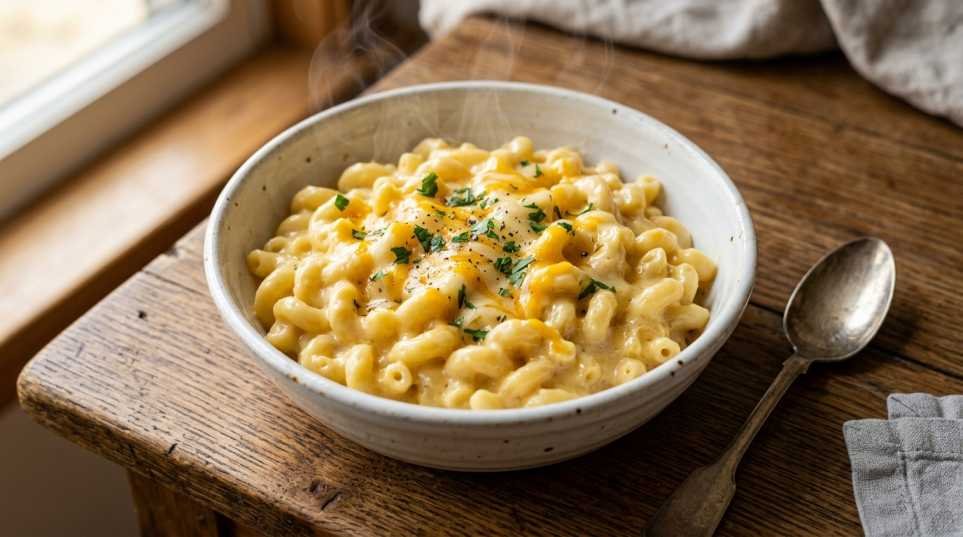
I still remember the exact moment I decided to crack this recipe at home. It was a Tuesday night, somewhere between my third basket of Texas Roadhouse rolls and my first real forkful of their mac and cheese. My daughter looked at me from across the booth and said, “Dad, can you make this at home?” I nodded confidently and then spent the next three weeks failing miserably in my own kitchen.
But I got there. And today, I’m giving you everything I learned, including every mistake I made along the way, so you can nail this Texas Roadhouse mac and cheese recipe on your very first try.
Table of Contents
Why This Copycat Texas Roadhouse Mac and Cheese Actually Works
Most copycat recipes miss two things: the right cheese blend and the right technique. Texas Roadhouse serves a noticeably smooth, ultra-creamy mac and cheese that coats every piece of pasta without feeling heavy or gluey. That’s not an accident; it’s the result of a specific approach to the cheese sauce that most home cooks skip. If you enjoy recreating restaurant favorites at home, my copycat Wingstop Hawaiian sauce is another reader favorite that delivers the exact restaurant flavor in under 15 minutes.
This copycat Texas Roadhouse mac and cheese uses a combination of sharp cheddar, American cheese, and a touch of Gruyère to get that restaurant-style depth. The sauce starts with a proper roux, gets enriched with evaporated milk (not regular milk, more on that below), and finishes with a dry mustard powder that you won’t taste but absolutely will notice if it’s missing.
Let me walk you through everything.
Ingredients You’ll Need
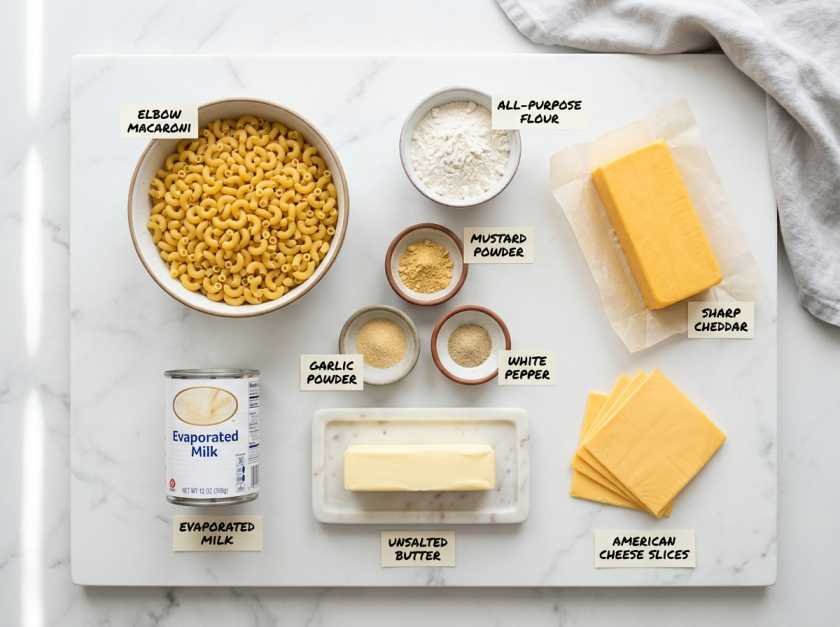
For the pasta:
- 1 lb elbow macaroni (or cavatappi for extra sauce coverage)
- 1 tbsp kosher salt (for the pasta water)
For the cheese sauce:
- 3 tbsp unsalted butter
- 3 tbsp all-purpose flour
- 1 can (12 oz) evaporated milk
- 1 cup whole milk, warmed
- 1½ cups sharp cheddar cheese, freshly shredded
- 1 cup American cheese, cubed or torn (about 4 slices)
- ½ cup Gruyère, freshly shredded
- 1 tsp dry mustard powder
- ½ tsp garlic powder
- ½ tsp onion powder
- Salt and white pepper to taste
Serves: 6 as a side dish Total time: About 35 minutes


Creamy Texas Roadhouse Mac and Cheese (Stovetop Copycat)
Ingredients
Equipment
Method
- Bring a large pot of heavily salted water to a full boil. Cook macaroni 1 minute less than the package directions (it finishes cooking in the sauce). Drain, toss with a tiny bit of butter, and set aside.1 lb elbow macaroni, 1 tbsp kosher salt
- Melt butter in a heavy-bottomed saucepan over medium-low heat. Add flour all at once and whisk constantly for 2 minutes until it smells slightly nutty but has not browned.3 tbsp unsalted butter, 3 tbsp all-purpose flour
- Slowly pour in the evaporated milk while whisking, then add the warmed whole milk. Keep heat at medium-low and whisk until the sauce thickens and coats the back of a spoon, about 4–5 minutes.1 can, 1 cup whole milk
- Remove the pan completely from the heat. Add American cheese first, then sharp cheddar, then Gruyère in small handfuls, stirring between each addition. Add mustard powder, garlic powder, onion powder, salt, and white pepper. Stir until silky smooth.1½ cups sharp cheddar cheese, 1 cup American cheese, ½ cup Gruyère, 1 tsp dry mustard powder, ½ tsp garlic powder, ½ tsp onion powder, Salt and white pepper to taste
- Add the cooked pasta to the sauce and fold gently until every piece is coated. If the sauce is too thick, add a splash of warm milk. Taste for seasoning and serve immediately.
Notes
-
Always shred cheese from a block; pre-shredded bags contain anti-caking agents that cause a grainy sauce.
-
American cheese contains sodium citrate (a natural emulsifier) that keeps the sauce from separating or turning oily.
-
Dry mustard powder improves emulsification; you won’t taste mustard, but you’ll taste a richer, more cohesive sauce.
-
Pull the pan off the heat before adding cheese. This is the single most important step to prevent a grainy texture.
-
Evaporated milk creates a more stable sauce than regular milk because of its lower water content and higher protein ratio.
-
Use white pepper instead of black; it blends invisibly and gives a cleaner heat that doesn’t distract from the cheese.
How to Make This Creamy Mac and Cheese Recipe Step by Step
Step 1: Cook the Pasta Right
Bring a large pot of heavily salted water to a full boil. Cook your macaroni until it’s just shy of al dente, about one minute less than the package says. The pasta will keep cooking slightly when it hits the hot sauce, and you don’t want it to turn mushy.
Drain, toss with a tiny bit of butter to prevent sticking, and set aside.
Step 2: Build Your Roux
In a heavy-bottomed saucepan or Dutch oven, melt the butter over medium-low heat. Add the flour all at once and whisk constantly for about two minutes. You want it to smell slightly nutty but not brown; this cooks out the raw flour taste that can ruin an otherwise great sauce.
This step is non-negotiable for a proper restaurant-style mac and cheese. Don’t skip it, and don’t rush it.
Step 3: Add the Liquid (This Part Matters More Than You Think)
Slowly pour in the evaporated milk while whisking constantly, then follow with the warmed whole milk. Keep the heat at medium-low.
I use evaporated milk because it contains less water than fresh milk, and the proteins are more concentrated, which creates a naturally creamier, more stable sauce. Regular milk works, but the sauce won’t hold as well, and it’s more likely to break if you reheat it later.
Whisk the mixture until it thickens and coats the back of a spoon, about 4–5 minutes.
Step 4: Melt the Cheese Carefully
Here’s where most homemade mac and cheese recipes go wrong.
Remove the pan from the heat entirely, then add your cheese in small handfuls, stirring between each addition.
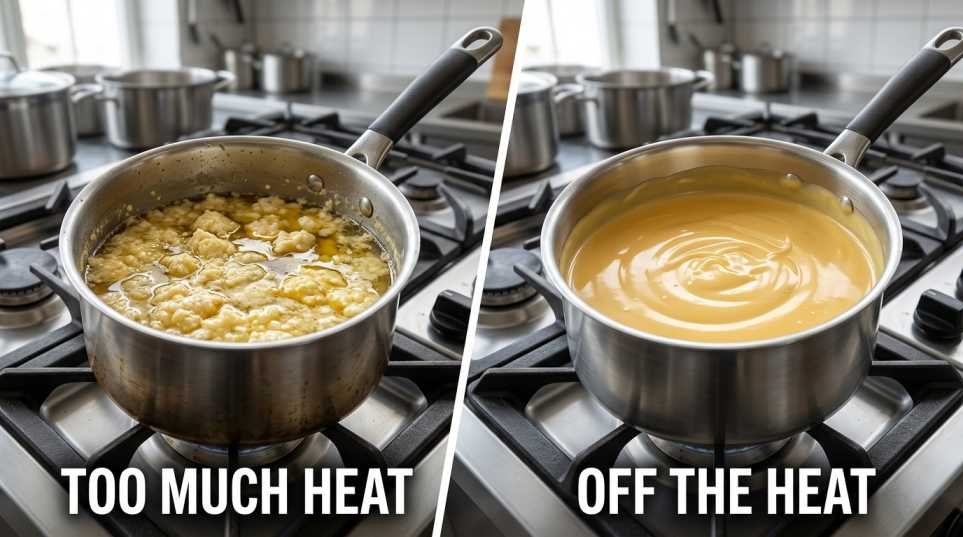
Add the American cheese first; its emulsifying salts help keep the sauce smooth and prevent the cheddar from seizing. Then add your freshly shredded cheddar, then the Gruyère.
The first time I tested this recipe, I dumped all the cheese in over medium heat, and the sauce turned grainy almost immediately. The proteins in cheddar tighten and clump when they are exposed to too much heat too fast. Pulling the pan off the burner before adding cheese completely fixed the texture.
Add the dry mustard powder, garlic powder, onion powder, salt, and white pepper. Stir until the sauce is silky and smooth.
Step 5: Combine and Serve
Add the cooked pasta to the sauce and fold gently until every piece is coated. If the sauce feels too thick, add a splash of warm milk and stir. Taste for seasoning and adjust.
Serve immediately for the best texture.
My Best Tips for the Perfect Stovetop Mac and Cheese
These are the things that took me from “pretty good” to “this tastes like the restaurant.”
Always shred your own cheese. Pre-shredded cheese from the bag contains anti-caking agents (usually potato starch or cellulose) that prevent it from melting cleanly. You’ll end up with a grainy, gritty sauce no matter what else you do right. Block cheese + box grater = smooth sauce every time.
American cheese is not optional here. I know it gets a bad rap, but American cheese contains sodium citrate, an emulsifying salt that acts as a stabilizer. It’s the reason your sauce stays creamy instead of separating into an oily mess. Professional chefs use it in their queso and cheese sauces for exactly this reason.
Dry mustard powder improves emulsification. The acidity in mustard helps bind the fat and liquid together. You won’t taste mustard in the final dish; you’ll taste a richer, more cohesive sauce. This is one of those professional kitchen tricks that makes a real difference.
Evaporated milk creates a more stable sauce. Because much of the water has been removed, the fat and protein ratios are higher, which means the sauce thickens more reliably and holds its texture longer.
White pepper over black pepper. Black pepper adds specks and a different heat profile. White pepper stays invisible and gives a cleaner, sharper warmth that doesn’t distract from the cheese.
Reheat leftovers safely. Always reheat mac and cheese to an internal temperature of 165°F, as recommended by the FDA’s safe food handling guidelines for leftover dairy-based dishes.
Best Cheese for Mac and Cheese: A Substitution Guide
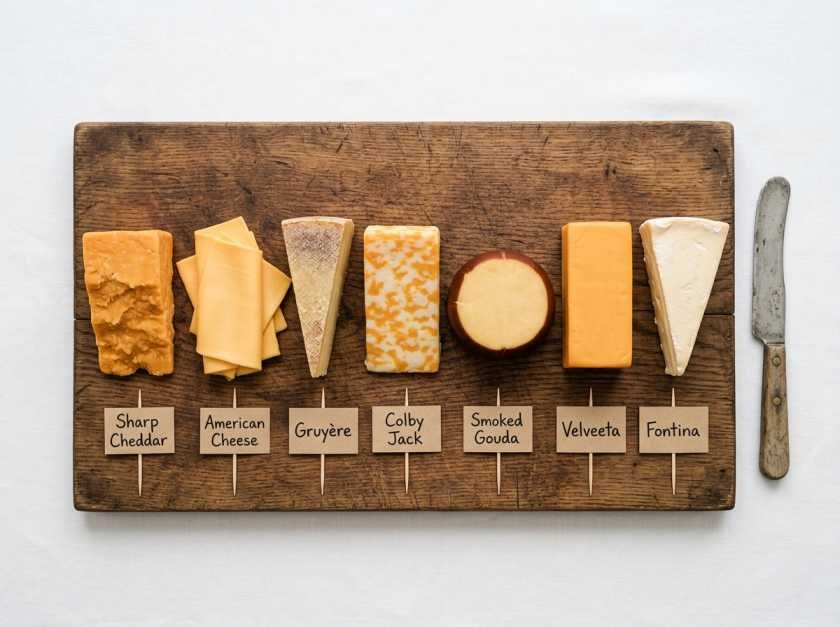
| Cheese | Flavor Profile | Best Use |
|---|---|---|
| Sharp Cheddar | Tangy, bold | Base flavor — always include this |
| American | Mild, creamy | Emulsifier — prevents graininess |
| Gruyère | Nutty, complex | Depth and sophistication |
| Colby Jack | Mild, buttery | Good substitute for cheddar |
| Gouda (smoked) | Rich, smoky | Use sparingly as a flavor accent |
| Velveeta | Very mild, smooth | Works as an American cheese substitute |
| Fontina | Earthy, nutty | Melts beautifully, good Gruyère swap |
If you’re wondering: Does Texas Roadhouse use Velveeta? The restaurant hasn’t publicly confirmed its exact recipe. Velveeta contains similar emulsifying salts to American cheese and produces a very smooth sauce, so it’s plausible that they use something in that family. I prefer American cheese because the flavor is cleaner, but Velveeta works if that’s what you have.
Stovetop vs. Baked: Which Is More Like Texas Roadhouse?

Texas Roadhouse serves its mac and cheese as a stovetop-style side dish, creamy, saucy, and soft all the way through. Baked mac and cheese has its own appeal, but it’s a different dish. When you bake it, you lose some of that glossy sauce as the pasta absorbs it, and you get a firmer, drier texture (plus a crust on top, which many people love).
For this easy mac and cheese recipe that replicates what you’d get at the restaurant, stay on the stovetop. If you want a baked version, undercook the pasta even more before combining, and bake at 375°F for about 20 minutes with a breadcrumb topping.
Texture Troubleshooting Table
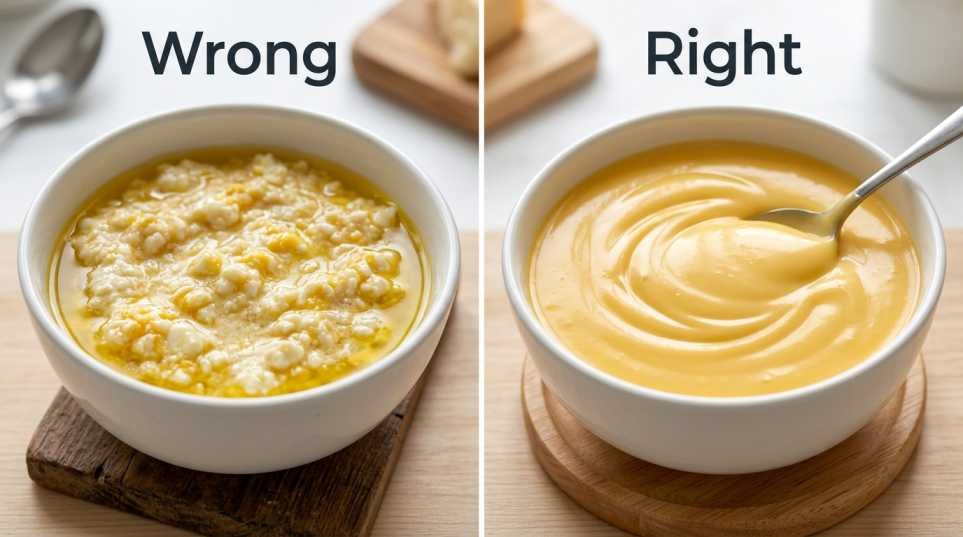
| Problem | Likely Cause | Fix |
|---|---|---|
| Sauce is grainy or clumpy | Cheese added over too-high heat | Remove from heat before adding cheese |
| Sauce is too thick | Roux cooked too long or too much flour | Add warm milk, one splash at a time |
| Sauce is too thin | Not enough roux, or milk added too fast | Simmer gently while stirring; it will thicken |
| Oily, separated sauce | No American cheese; overheating | Add a slice of American cheese and stir off heat |
| Pasta absorbs all the sauce | Pasta overcooked or sat too long | Undercook pasta and serve immediately |
| Bland flavor | Under-seasoned or wrong cheese | More salt, mustard powder, and sharp cheddar |
Can I Make This Ahead of Time?
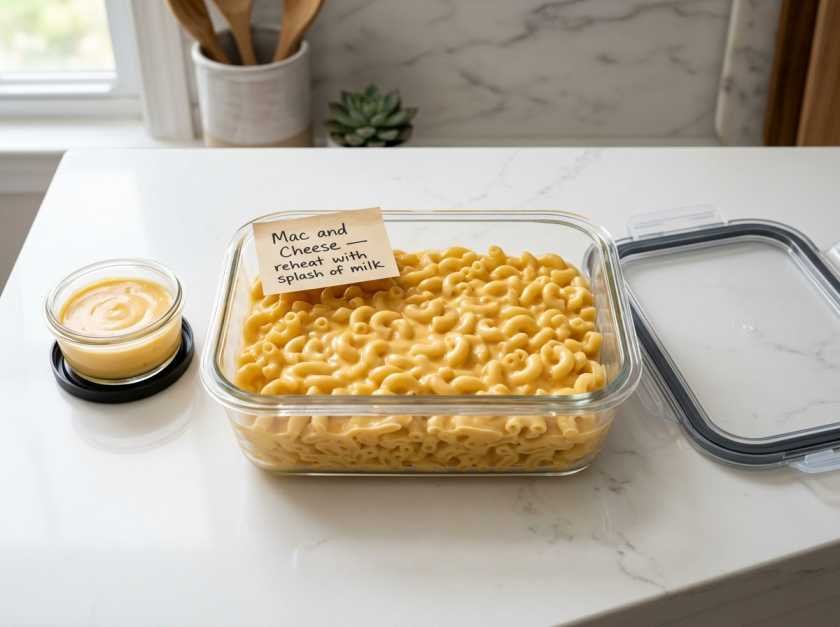
Yes, with a few adjustments. Make the cheese sauce fully, then store it separately from the pasta (both refrigerated). When ready to serve, reheat the sauce over low heat with a splash of warm milk, stirring constantly until smooth. Cook fresh pasta or reheat pasta separately, then combine.
If you store the pasta and sauce together, the pasta will absorb most of the liquid overnight, and you’ll end up with a drier dish. It’s still good, but the texture changes significantly.
Reheating Guide
Stovetop (best method): Add the leftover mac and cheese to a saucepan over low heat. Add 2–3 tablespoons of whole milk or evaporated milk per serving. Stir constantly until heated through and creamy again.

Microwave: Place in a microwave-safe bowl. Add a splash of milk, cover loosely, and heat in 30-second bursts, stirring between each. Don’t overheat it will turn rubbery.
Oven: Transfer to an oven-safe dish, add a bit of milk, cover tightly with foil, and warm at 325°F for about 15–20 minutes.
Can you freeze mac and cheese? You can, but cream-based sauces often separate when thawed. If you do freeze it, cool completely first, store in an airtight container for up to 2 months, and reheat slowly on the stovetop with added milk to bring the sauce back together.
Frequently Asked Questions
What cheese melts best for mac and cheese?
American cheese melts most smoothly due to its emulsifying salts. For flavor, sharp cheddar is essential. A blend of American, cheddar, and a softer cheese like Gruyère or Fontina gives you both smooth texture and complex flavor.
Why did my cheese sauce turn grainy?
Almost always, this happens because the cheese is exposed to too much heat too fast. The protein strands in cheese tighten and separate from the fat when overheated. Always remove the pan from the burner before adding cheese, and add it gradually.
Does Texas Roadhouse use Velveeta in its mac and cheese?
Texas Roadhouse hasn’t released its full recipe. Velveeta has similar emulsifying properties to American cheese and produces a smooth sauce, so it’s a reasonable ingredient in a copycat. I tested both and found American cheese gives a slightly cleaner flavor.
Is this a good recipe for a crowd?
Absolutely. This homemade mac and cheese scales up well. Double or triple the recipe and keep it warm in a slow cooker on the “warm” setting, stirring occasionally and adding splashes of milk if it thickens too much.
What pasta shape is best for this cheesy pasta recipe?
Elbow macaroni is classic and holds sauce in the curve. Cavatappi (corkscrew pasta) is my personal favorite for a saucier bite. Shells also work well. Avoid long pasta like spaghetti, the sauce doesn’t cling properly.
A Note on Nutrition
Per serving (based on 6 servings), this dish contains approximately 520–560 calories, 22–26g of fat, 55–60g of carbohydrates, and 22–24g of protein. These are estimates based on standard ingredient nutritional data from the USDA FoodData Central database and may vary based on exact brands and portion sizes used. This is a comfort food dish; enjoy it as such.
Final Thoughts
I’ve made this Texas Roadhouse mac and cheese recipe more times than I can count. My daughter requests it at least once a month. I’ve brought it to potlucks, made it for sick friends, and served it as a side at backyard cookouts. Every time, someone asks for the recipe.
The truth is, what makes this homemade mac and cheese special isn’t any single exotic ingredient. It’s the attention to technique, the patience to build the roux properly, the discipline to pull the pan off the heat before adding cheese, and the decision to shred your own cheese instead of taking the easy route.
Once you understand why each step works, you won’t just be following a recipe. You’ll be cooking with real confidence, and that’s when the food starts tasting exactly like you want it to.
If you love cheesy comfort food as much as I do, you’ll also want to try my homemade Alabama Hot Pockets, with crispy, golden dough stuffed with a bold, cheesy filling that disappears faster than I can make them.
Happy cooking.